Anzeige
HumanmedizinNews

“We are entering completely new territory” – innovations in medical services

Rainer Krug

At the recent medical service information training exercise (Informationslehrübung Sanitätsdienst, ILÜ San 2025), the German Armed Forces demonstrated the future of military emergency medicine: drones transporting the wounded, AI supporting documentation, and highly mobile rescue centers that can be operational within 20 minutes. In an interview with Military Medicine, Surgeon General Dr. Bruno Most explained the most important medical innovations.

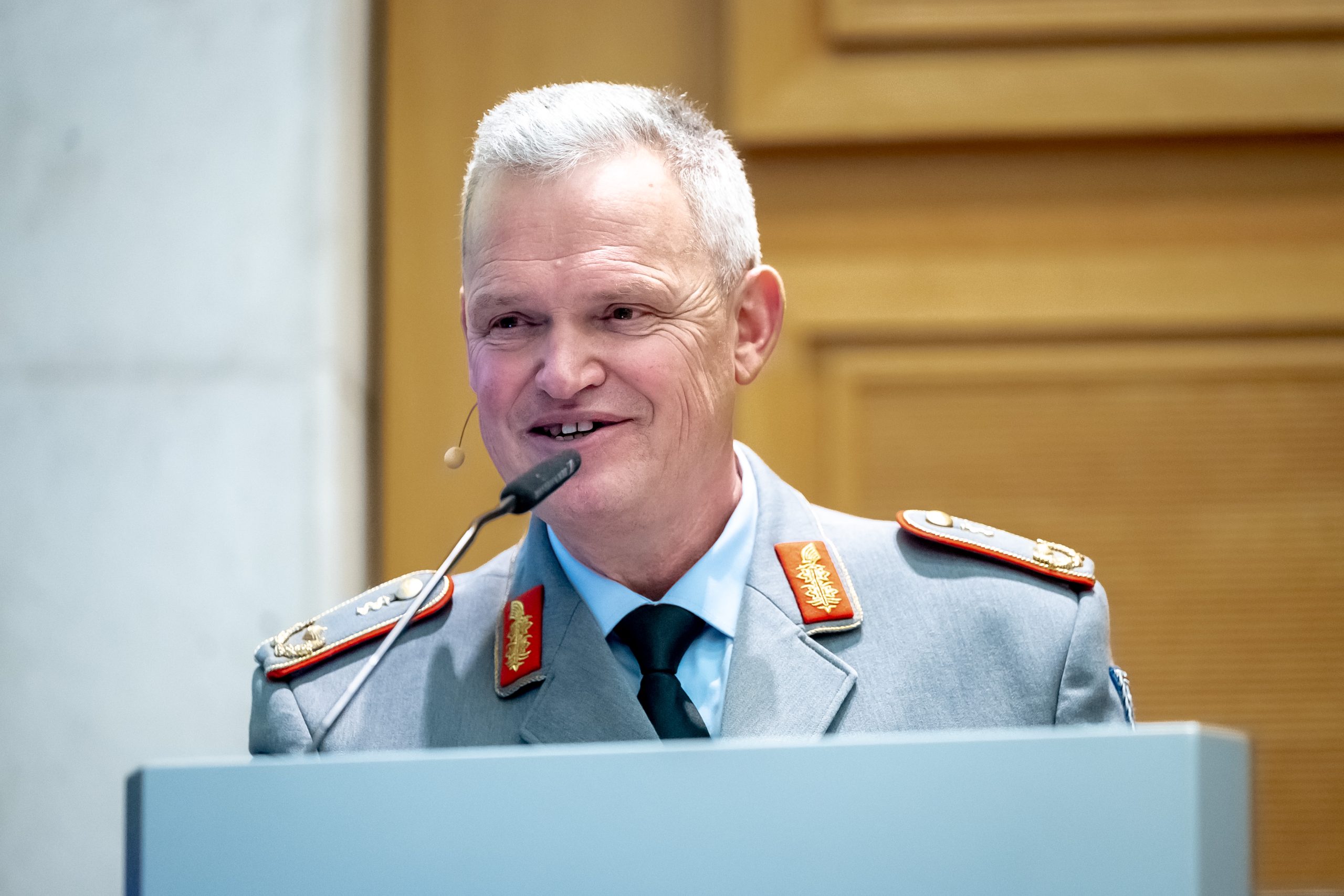
medical innovations – Surgeon General Dr. Bruno Most at an event organized by CPM Verlag.
Surgeon General Dr. Bruno Most at an event organized by CPM Verlag.
Picture: CPM / Regina Sablotny
Thank you very much for this very interesting training and information exercise (ILÜ). What were the main focuses for you this year?

I would actually like to highlight two main focuses. First of all, the tried and tested. This year, we once again focused on the classic military rescue chain, from the site of injury to first aid and self-help and comrade assistance to our rescue centers and field hospitals, followed by the transport back home.

New is that, for the first time, we have actively incorporated the civil-military component into the ILÜ as part of the rescue chain. In recent years, we have always had partners from aid organizations, but we have never addressed the question: What happens with wounded soldiers in alliance defense who return home? How does redistribution work, where do we need aid organizations, which civilian clinics do we need as partners? This is the first time we have done this.

Another point is that this year we have taken special care to firmly integrate the topics of industry, research, and technology. For the first time, we saw the “Grille” drone being used to transport patients by flight. In addition, we saw many other innovations in this area – unmanned transport of wounded personnel.

Not even close to the numbers

You brought up the topic of equipment. We’ve seen some new things this year. The GVTC, the medium protected casualty transport vehicle, and I saw the UVT for the first time. How will this change continue? I am thinking about the further development of the ghm Role 2 project. The protected highly mobile component was mentioned in the training exercise. How do you see the development?

On the one hand, I am glad that we have initiated various armament projects for casualty evacuation vehicles – but of course we are still far away from the quantities we actually need in the field. The most challenging aspect is the medium protected medical vehicle. The first model was delivered by the industry during the ILÜ, and now we have to be patient and hope that the quantities we need will be available in the near future. But again, it is important that we have initiated crucial projects in all areas of the rescue chain.

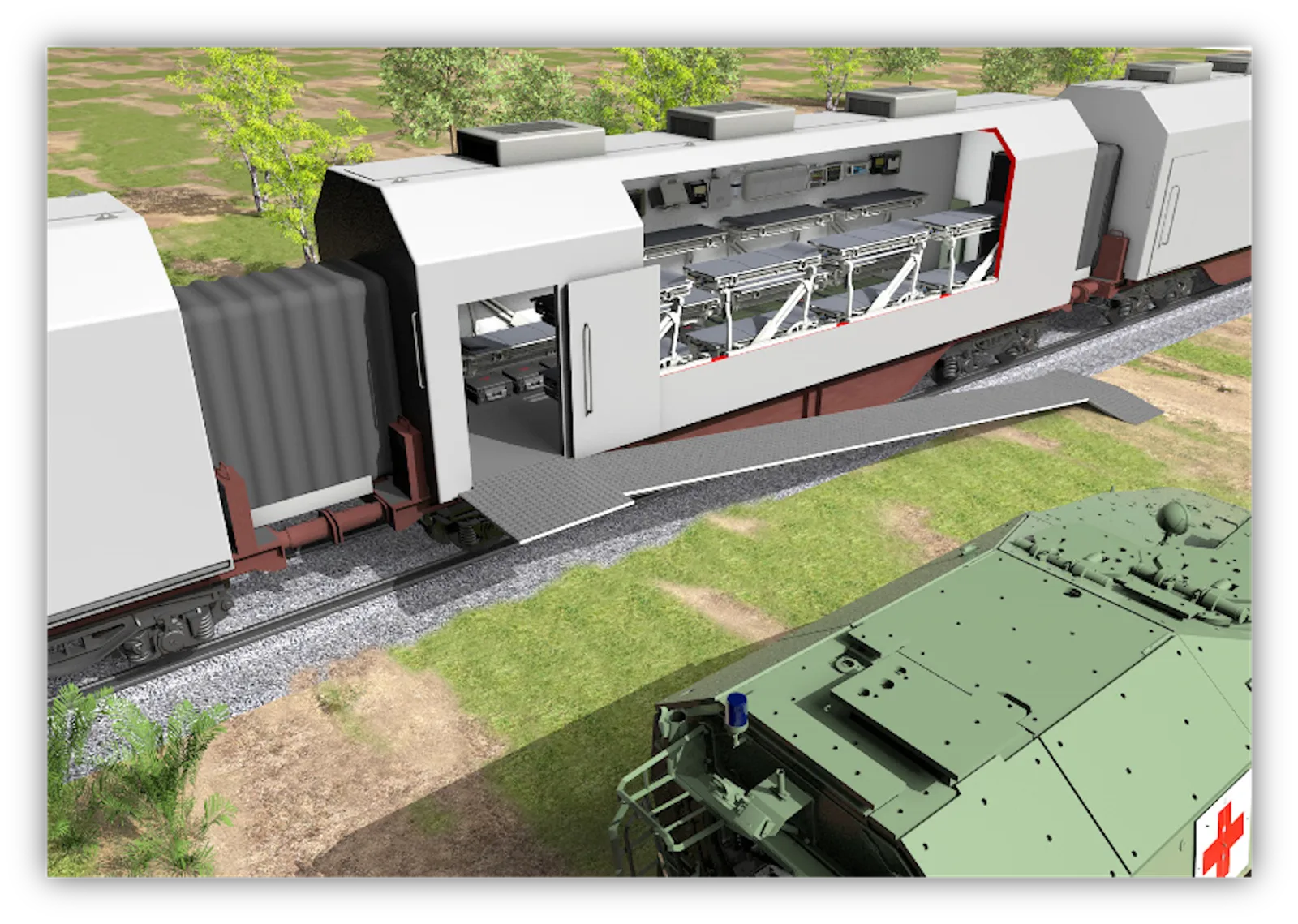
You just mentioned the most important medical service armament project from the perspective of my command area. I hope that we will sign the contract for the highly mobile protected rescue centers this year and then perhaps have the first prototypes on the yard as early as 2027.

This is a quantum leap in clinical care on the battlefield: highly mobile, on the spot within 20 minutes, self-sufficient and decoupled, while still offering a good level of protection. No other nation in the world has this. We will be the first to take the support of mechanized units to a new level. During the ILÜ, I also made it clear to the industry that, together with us, they are entering completely new territory, which will open up new opportunities.

One last question on the topic of digitization and healthcare. The role of BWI was briefly mentioned at one of the stations. Last year, we saw that patient documentation was still being diligently recorded during patient handover. What will this look like in the future?

Yes, today we had a picture showing the future, in which the first responder Bravo made his voice entries using a cell phone.

When digitizing the rescue chain, a crucial point is that we also develop our staff’s compliance with this system through simple handling such as voice entries. I personally have experienced such developments in the past, such as DigiPen and similar systems, which all had the problem that – when seriously injured comrades need to be cared for and there is the pressure of ongoing combat – any written documentation is a burden for the comrades.

I am certain that voice processing is a real opportunity to make important data from the entire rescue chain available on the battlefield.

Thank you again for this very interesting exercise.

Great. Yes, it is always a pleasure to be able to present these insights to so many viewers alongside my civilian and military comrades.

The interview was conducted by Mr. Rainer Krug, Editor-in-Chief of CPM Verlag GmbH, as part of the Medical Service Information and Training Exercise 2025 (ILÜ San 2025). This exercise demonstrates the latest developments and innovations in the German Armed Forces‘ military medical service every year.

Beitrag teilen

Das könnte Sie auch interessieren

Anzeige

DEF-JOBS

Index