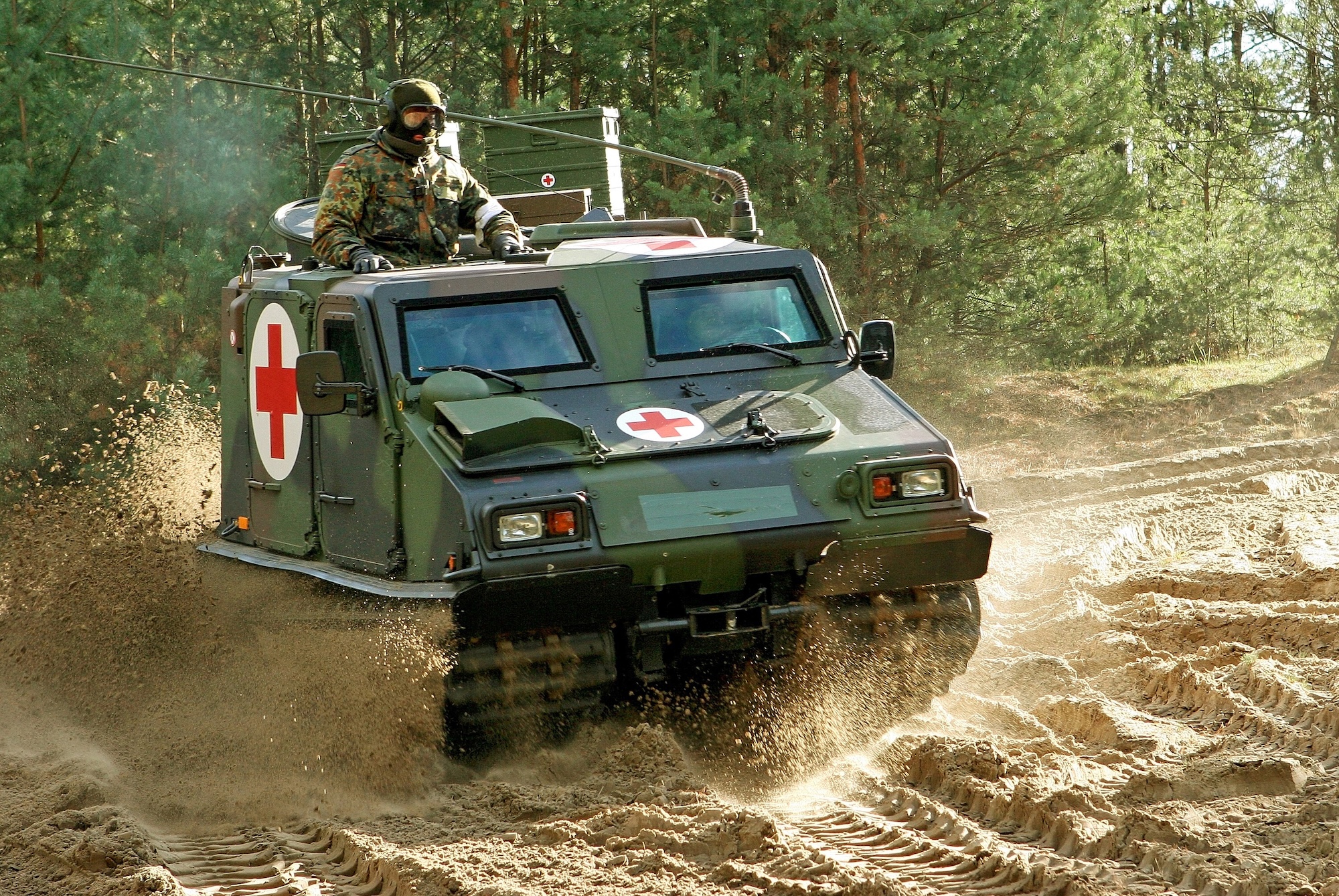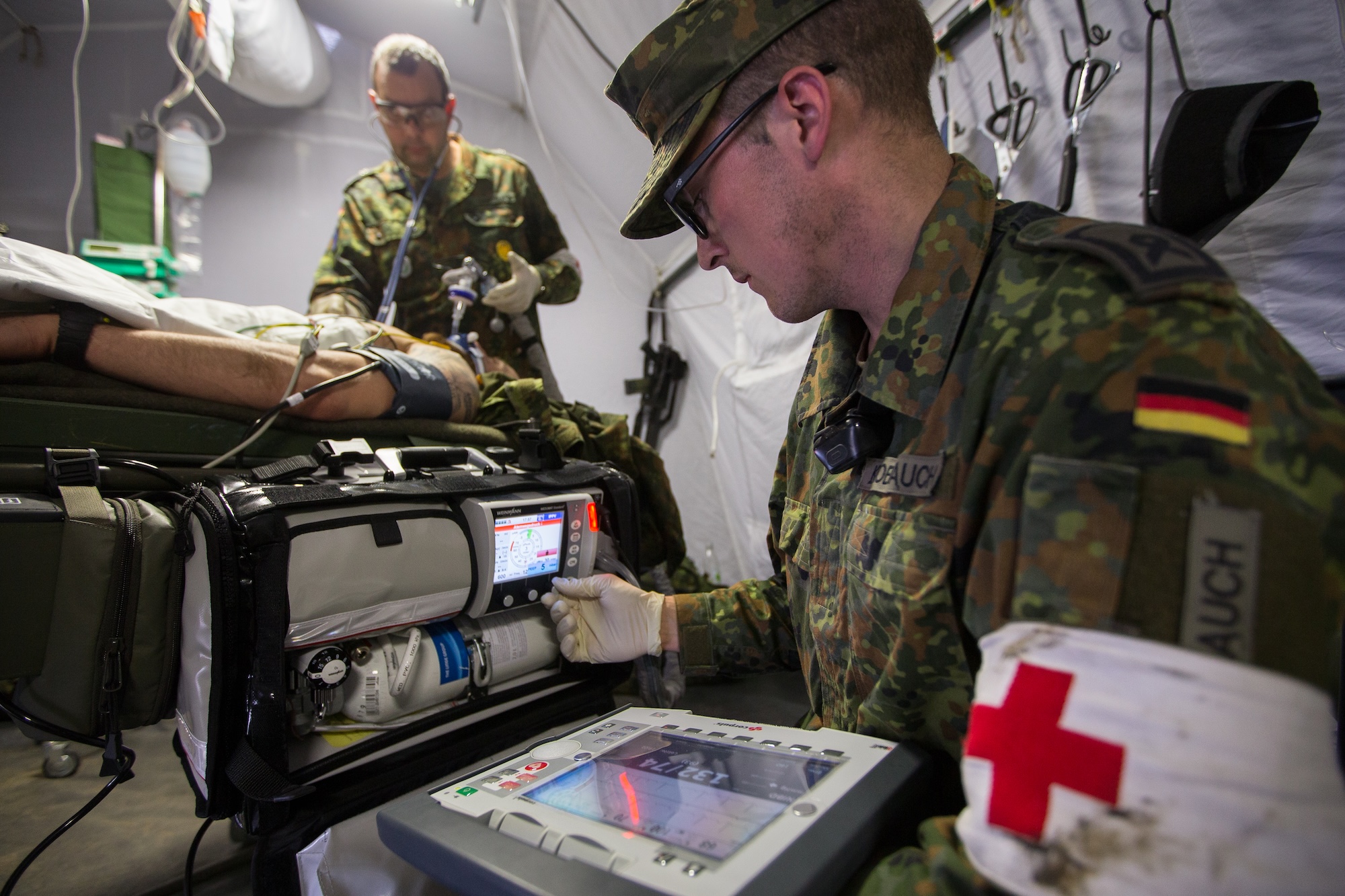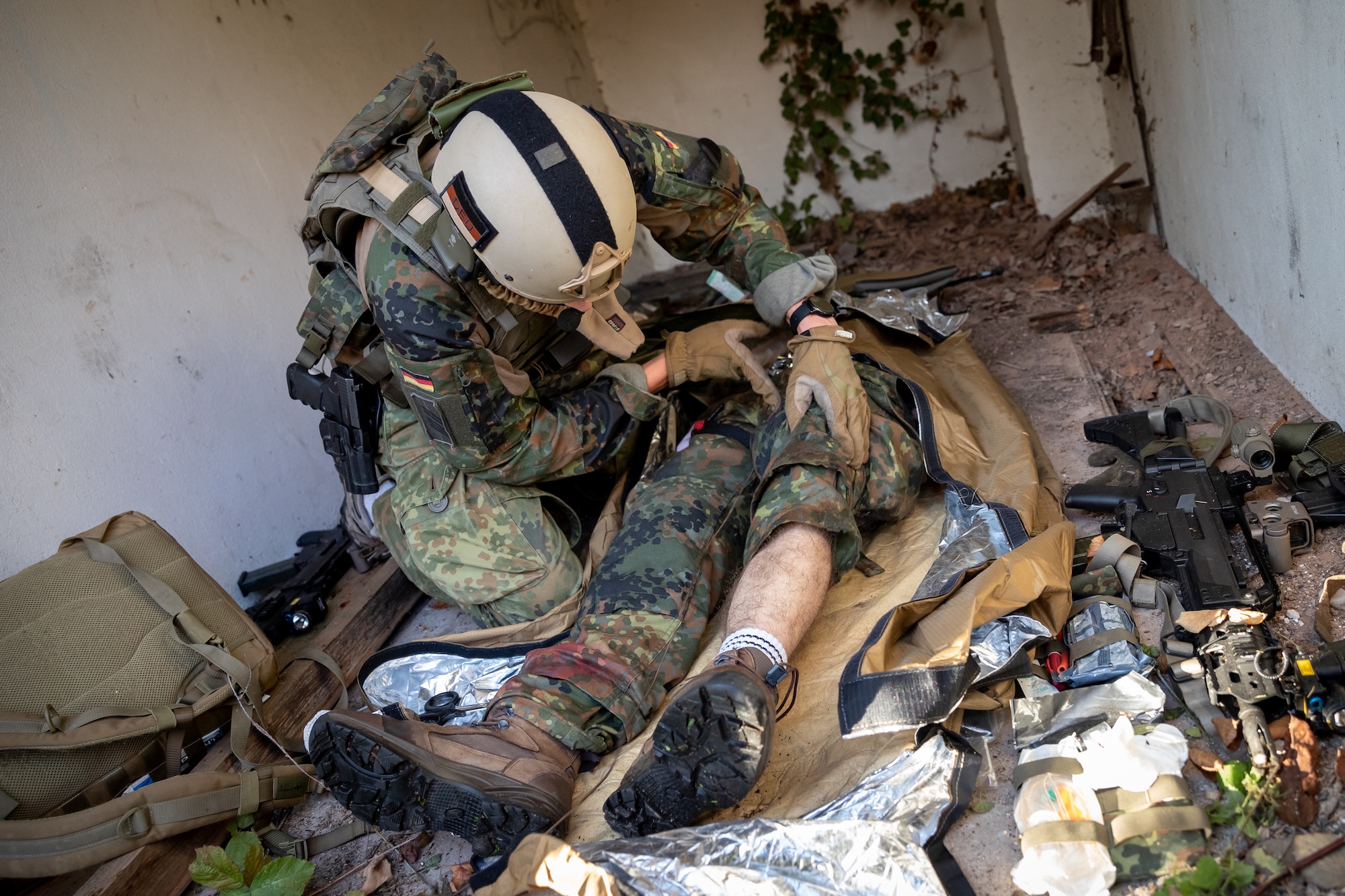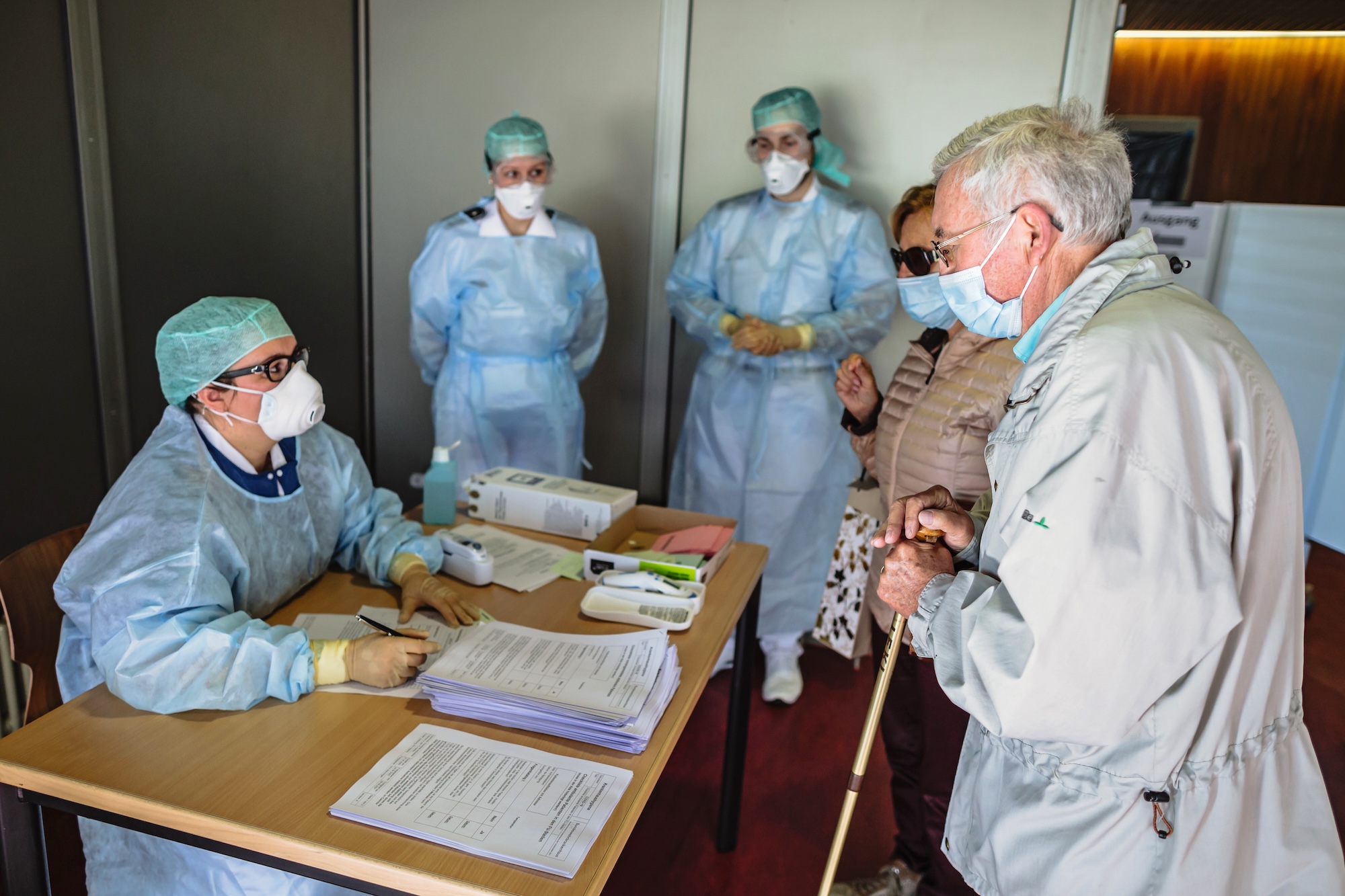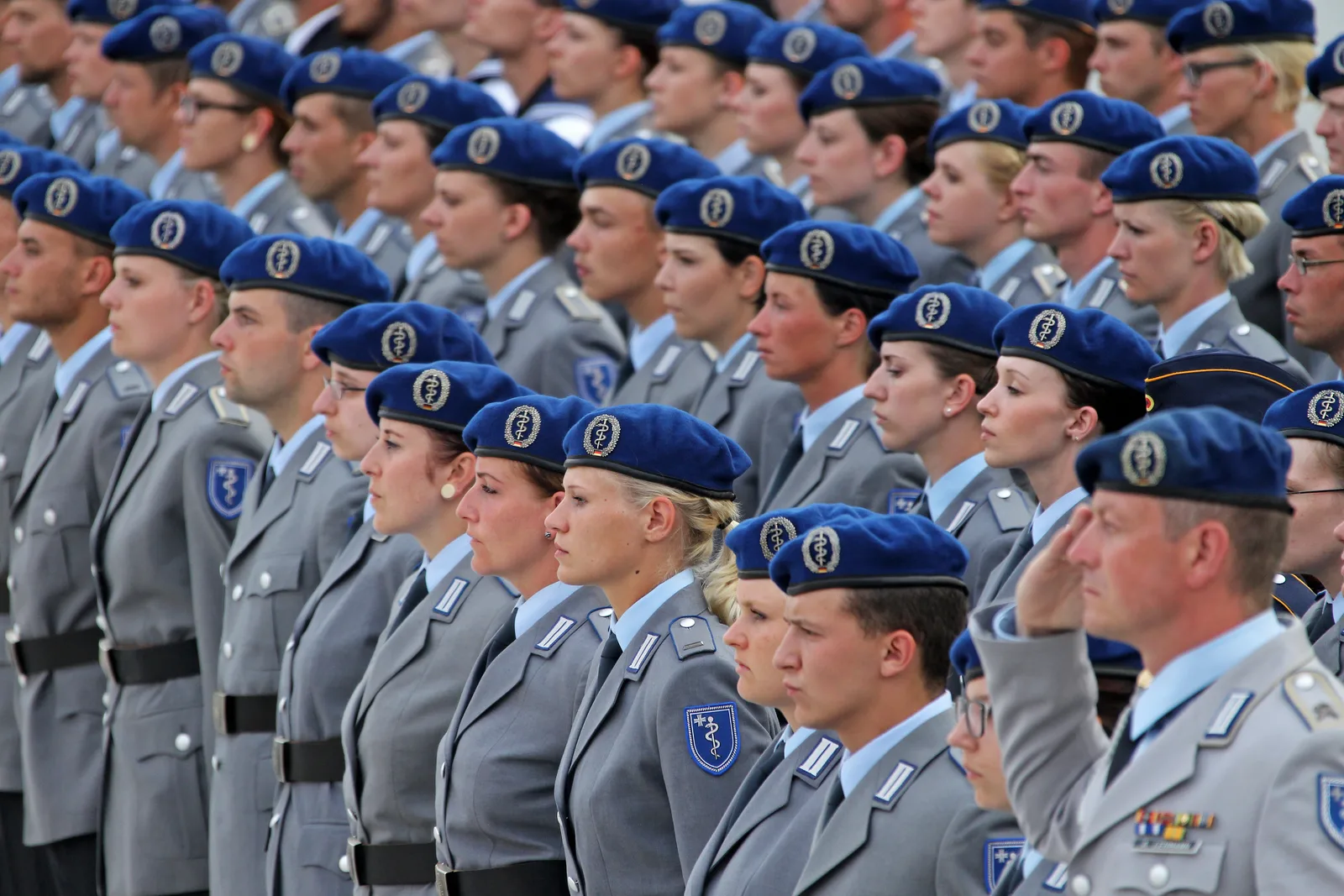
This year, the German Armed Forces are celebrating their 70th anniversary. On November 12, 1955, with the presentation of appointment certificates to the first 101 volunteer soldiers at the Ermekeil Barracks in Bonn, the new German armed forces were officially founded.
However, the medical care of soldiers had already been a focus of attention since October 1950 at the “Office of the Federal Chancellor’s Representative for Issues Related to the Increase in Allied Troops,” better known as the “Blank Office” after its incumbent, Theodor Blank. The importance of medical and medical service structures for all armed forces is demonstrated not only by history, but also by the dramatic events of the current war in Ukraine.
The development of the medical service and its command structures
Although the medical service initially played a rather minor role in the early stages of planning for the Bundeswehr, this was soon to change, not least thanks to support from the civilian sector. During World War II, the Army, Air Force, and Navy had their own medical services, which were integrated into the command structures of the respective branches of the armed forces with their respective medical chiefs or inspectors.
This resulted in different structures, unequal resources, disputes, egotism, and turf wars, which significantly impaired the efficiency of medical care. During the war, attempts were made (with little success) to get this problem under control organizationally by implementing a “Chief of the Wehrmacht Medical Service,” and these experiences were also incorporated into the discussions about the medical service of the new armed forces of the Federal Republic of Germany.
Civilian medical associations such as the “German Medical Association” and the “Working Group of West German Medical Associations,” the predecessor organizations of the German Medical Association, exerted a remarkable influence in this regard. In the mid-1950s, they repeatedly called for adequate medical services and appropriate integration within the command structure of the Bundeswehr through an independent department in the Ministry of Defense and a separate chief of medical services.
This is how it turned out: although most of the medical facilities were integrated into the three branches of the armed forces, the Medical Service, which was established by a decision of the Defense Committee on April 11, 1956, and subsequently built up, formed the fourth pillar alongside the Army, air force, and navy and their command staffs.
This strong position from the outset was further enhanced by the “Blankenese Decree” of March 21, 1970, which gave the Inspector of Medical and Health Services additional powers and authority, placed him on an equal footing with the inspectors of the armed forces, and made him a member of the Military Leadership Council (MFR).
Establishment and expansion of the medical and health services during the Cold War
The structures and facilities in the medical and health services, or (in modern terminology) in the medical corps, underwent numerous reorganizations and reforms both during the period of integration into the Army, Air Force, and Navy and later in the Central Medical Service of the Bundeswehr, which cannot be traced here, but can at best be hinted at.