In Ukraine, it has become clear that the greatest gap in medical care for the wounded lies not in personnel or equipment, but in evacuation from the frontline area. The UGV MAUL made by AIDronesUA shows what systems specifically designed for evacuation under combat conditions look like.
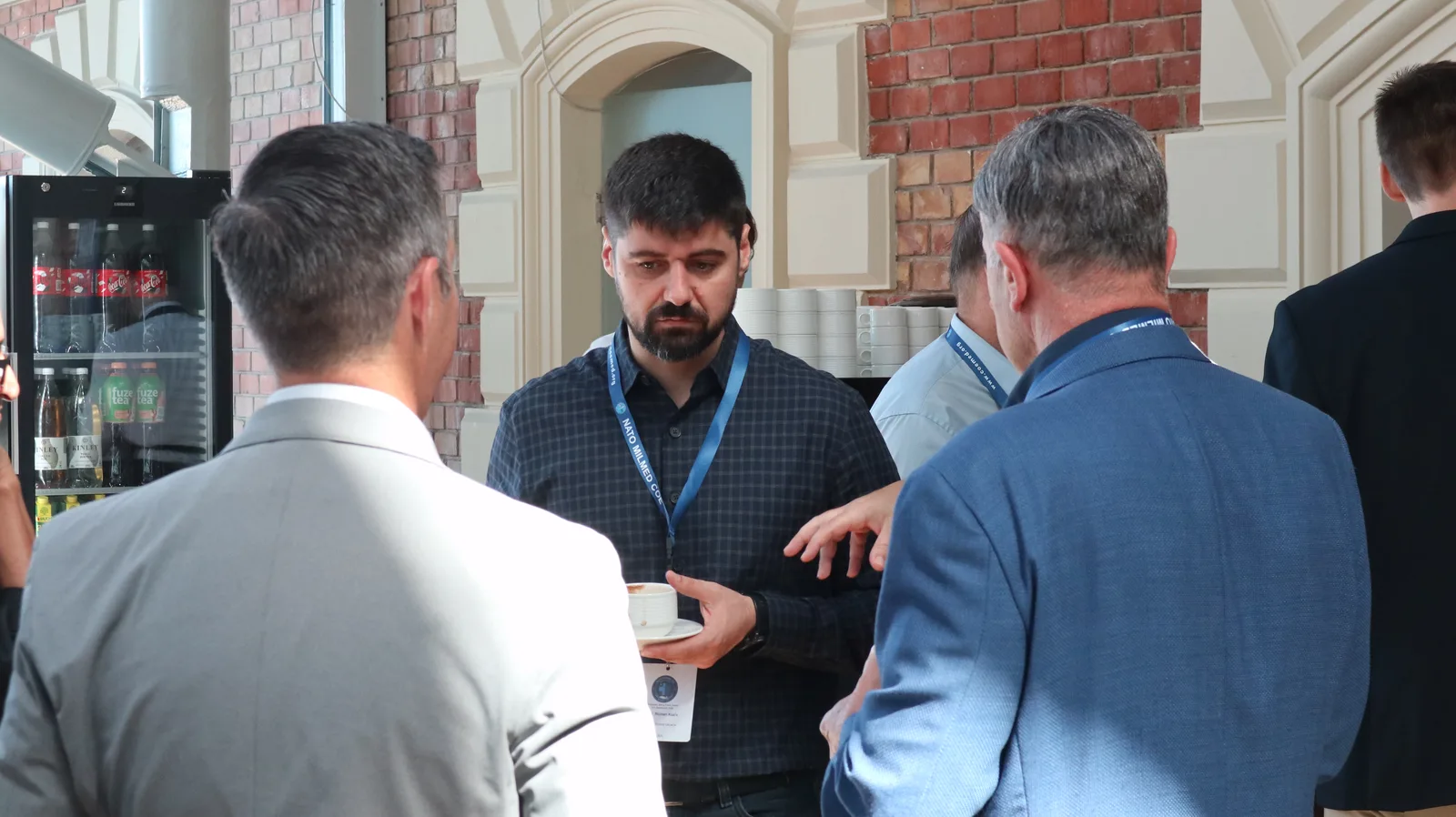
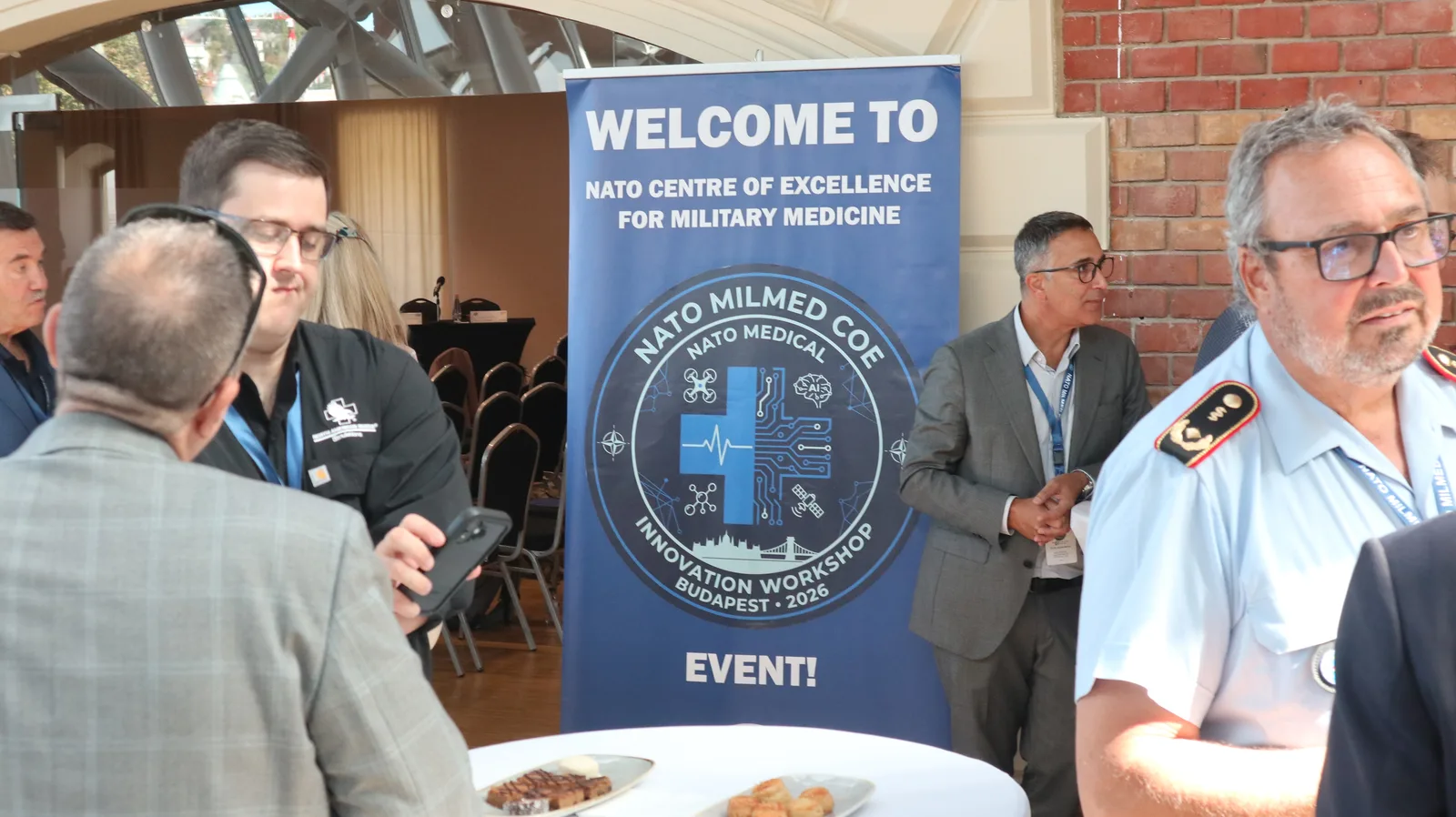
When Ukrainian military surgeon Colonel Dr. Roman Kuziv spoke in Budapest about medical care in war, the focus was less on injuries and their treatment than on the question of how—and above all how quickly—wounded soldiers can be evacuated. The battlefield, made increasingly transparent by drone warfare, makes any movement across terrain difficult. Anyone trying to rescue a wounded comrade from the point of injury to a Role 2 facility puts themselves in extreme danger.
One possible solution: unmanned ground vehicles (UGVs). They can retrieve the wounded from areas where deploying a medical team would be too dangerous.
Unmanned is the new standard
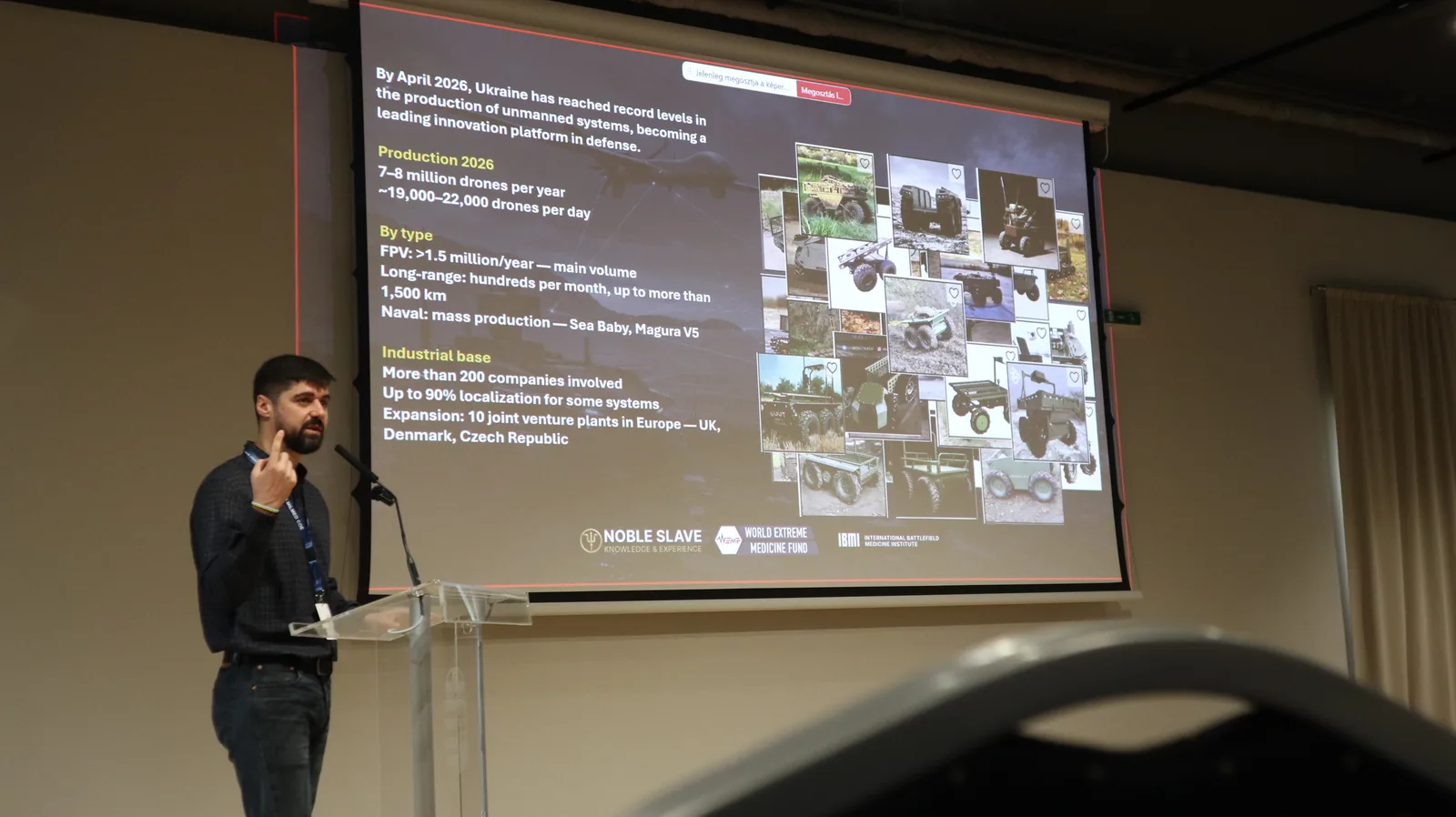
Colonel Kuziv pointed to the wide range of systems being used in Ukraine: around 50 different UGV models are approved for use by the Ukrainian armed forces, and these can often be modularly equipped for different missions—logistical support, air defense, reconnaissance. The development of new systems shows no sign of slowing. According to the Ukrainian Ministry of Defense, a total of 50 new unmanned ground vehicles were approved for operational use in just the first six months of 2026 alone.
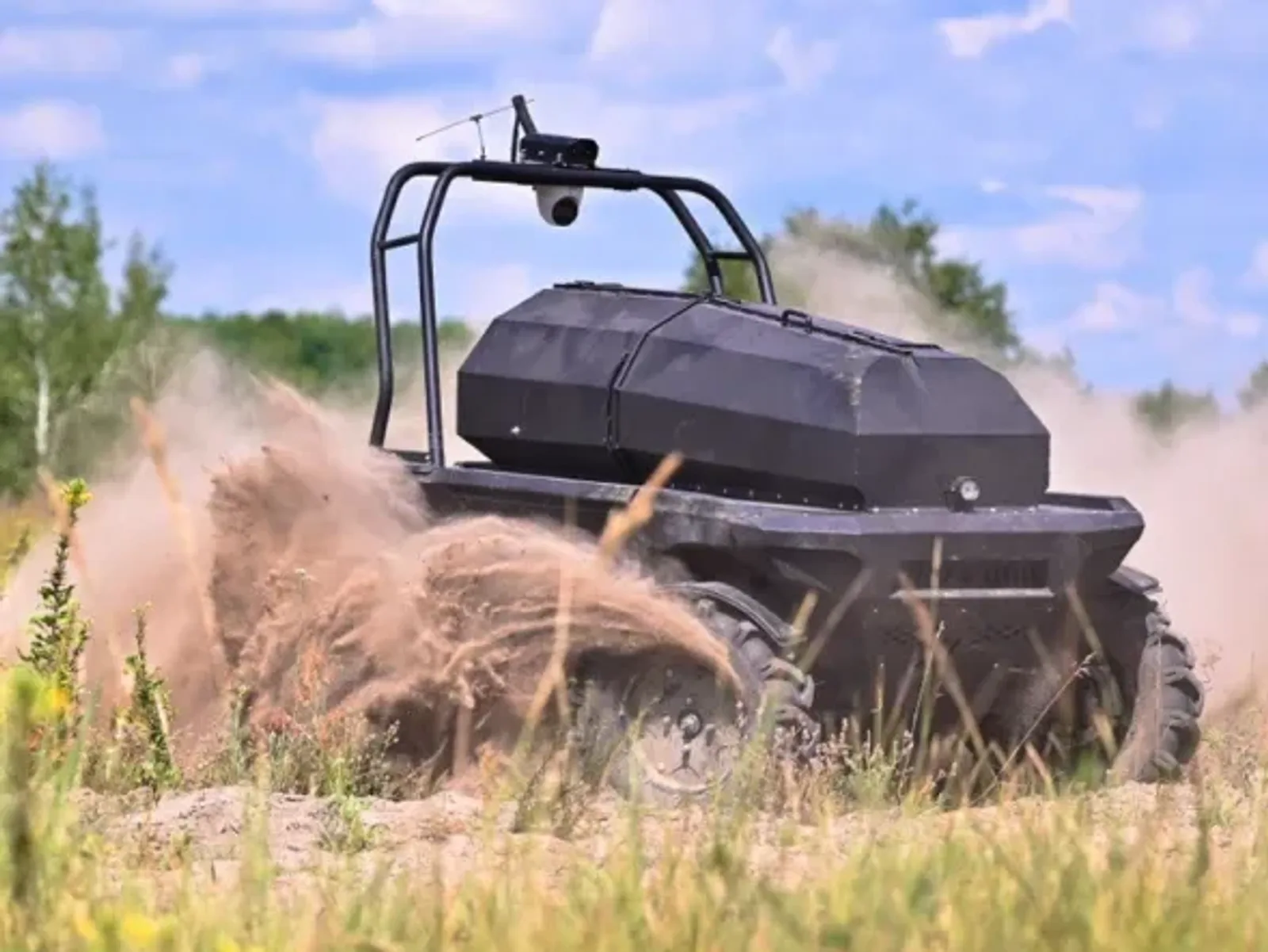
One example of this development is the MAUL, made by the Ukrainian company AIDronesUA. This system is a 4×4 UGV with a combustion engine that was designed from the outset for casualty evacuation. Nevertheless, AIDronesUA describes the MAUL as a multifunctional platform that can also be fitted with a remote-controlled weapon station if needed.
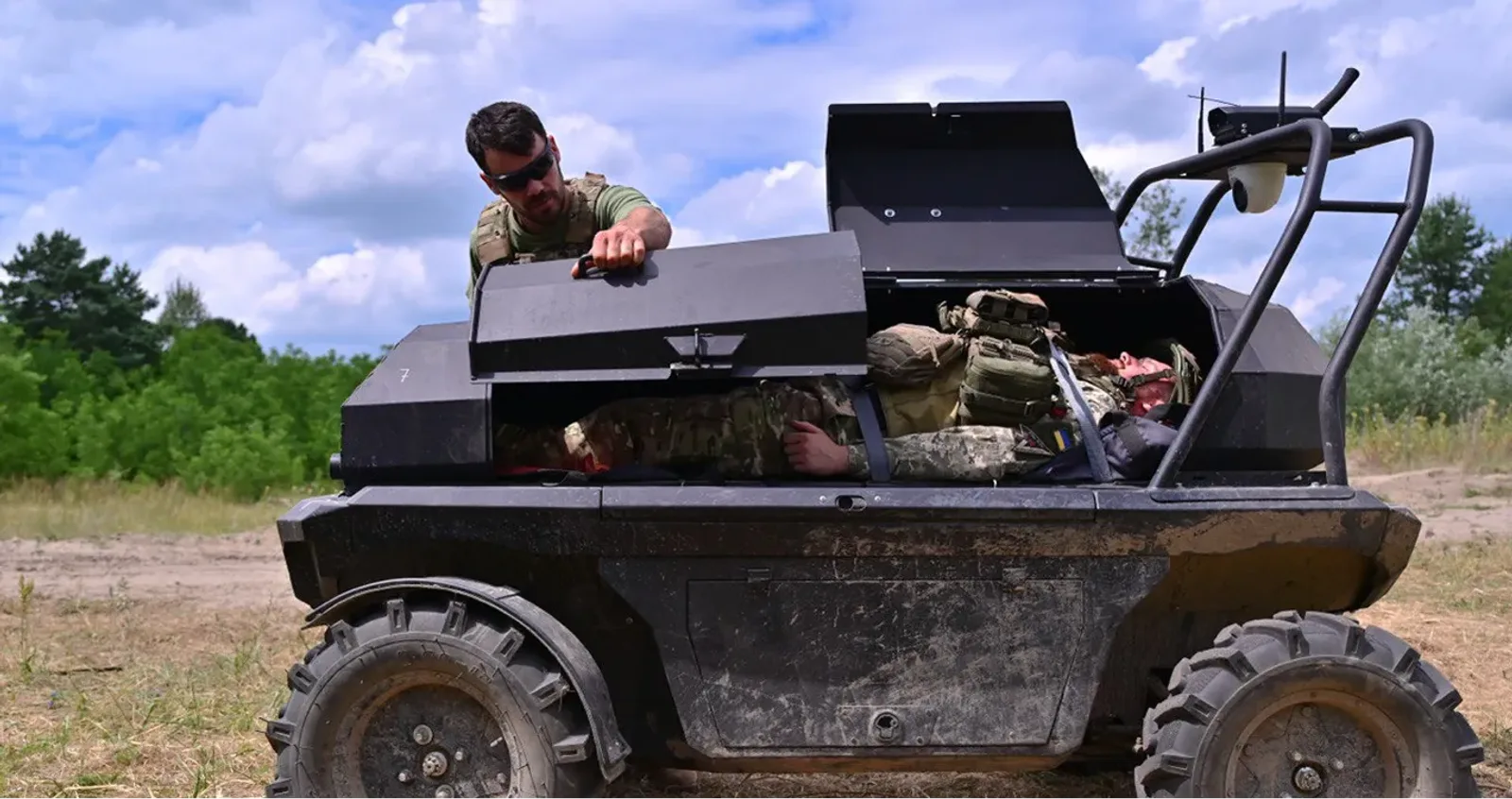
For medical evacuation, MAUL features a specially designed, protected evacuation capsule. The wounded person is secured inside; suspension on all four wheels is intended to make transport as gentle as possible. Three restraint straps along with structural protective measures are designed to prevent the wounded person from being thrown against the interior walls while driving. An interior camera also allows the patient to be monitored.
Fast in, fast out
Technically, MAUL is relatively compact. The vehicle is 2.30 meters long, 1.45 meters wide, and 0.62 meters high, with a ground clearance of 200 millimeters. Its operating weight is 420 kilograms, with a permissible gross weight of 620 kilograms—leaving 200 kilograms of capacity for payload or the patient. The vehicle is powered by a combustion engine with a 15-liter tank of premium gasoline.
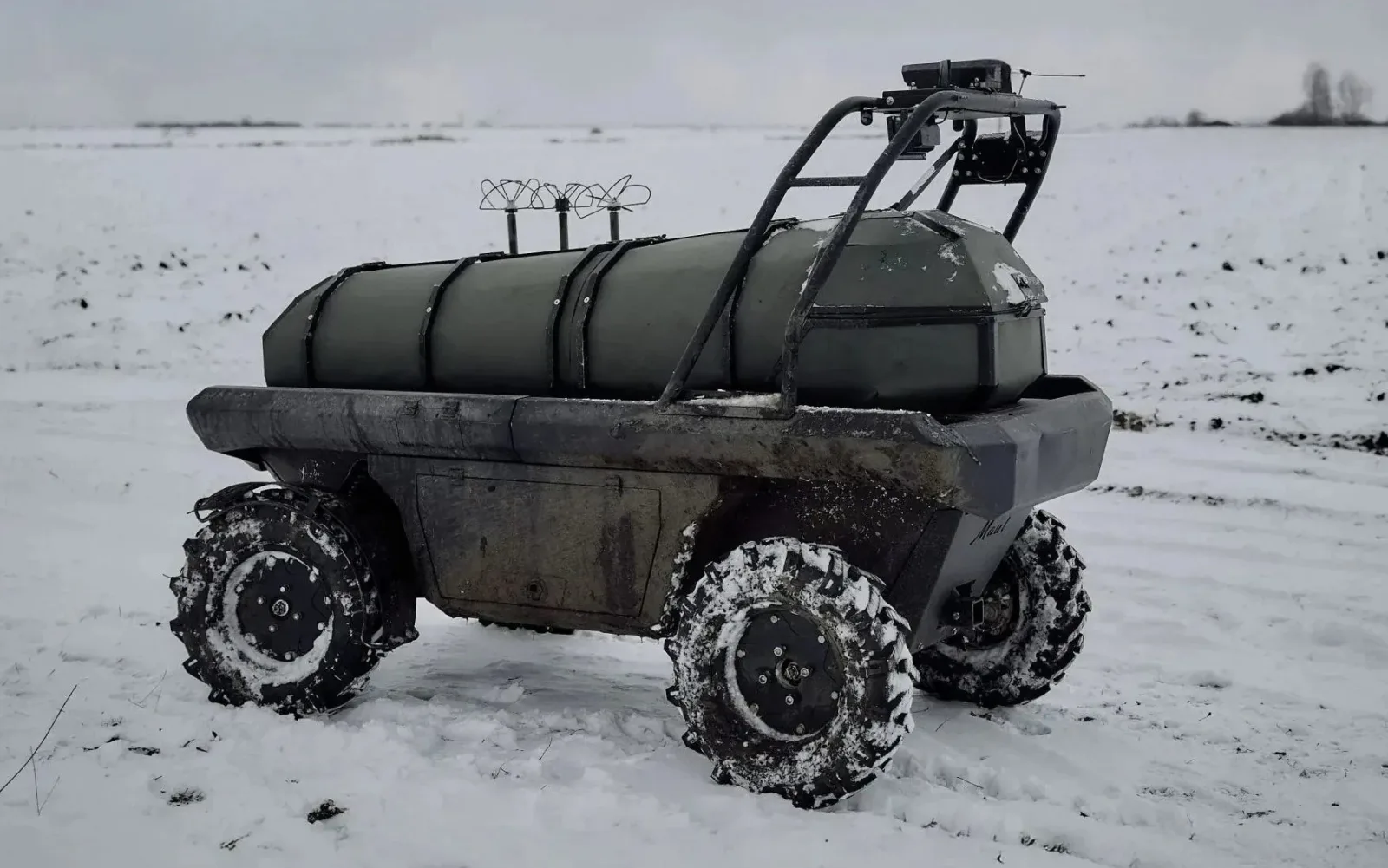
On paved roads, MAUL reaches speeds of up to 50 km/h, and 40 km/h on unpaved tracks. Its range is stated as 110 kilometers on paved roads and 100 kilometers off-road. The tactical operating radius is 50 kilometers. According to the manufacturer, the goal is to reach the wounded quickly—and get back just as fast.
To achieve this, AIDronesUA had to deliver a vehicle capable of handling rough terrain. The MAUL is designed to manage inclines of up to 30 degrees and lateral slopes of up to 25 degrees. The aforementioned 20-centimeter ground clearance and all-wheel drive are meant to increase mobility off paved routes.
One UGV, many tasks
Although casualty evacuation is MAUL’s core mission, the platform is not limited to it. Its 200-kilogram payload capacity also allows for equipment transport or weapon systems.
In this respect, MAUL follows a trend that can be observed across Ukrainian UGVs in general: platforms are designed to be as modular as possible. The Ukrainian Ministry of Defense, for example, also describes other approved systems as platforms for logistics, casualty evacuation, fire support, mine-laying, or electronic warfare.
Ukraine is thus not developing a single „combat robot,“ but rather a growing portfolio of specialized and, in some cases, multifunctional systems.
50 models—an advantage or a problem?
This is precisely where one of the most interesting questions in Ukrainian UGV development lies. A large number of different systems allows for exceptionally rapid adaptation to battlefield requirements. A small, lightweight robot can take on different tasks than a heavy platform with a payload capacity of several hundred kilograms. A tracked vehicle can offer advantages where a fast 4×4 system reaches its limits. For casualty evacuation, in turn, suspension, protection, and secure accommodation of the patient matter more than maximizing weapon load.
This diversity fosters technological competition. Developers can test new drive systems, communication systems, sensors, or control concepts directly under combat conditions. Systems that prove themselves can then be further developed. The Ukrainian armed forces have institutionally supported this approach by rapidly approving new systems.
But this diversity also has a downside. Dozens of different platforms mean different spare parts, software, batteries or fuels, and training requirements. Maintenance and repair also become more complex. For a military force that wants to deploy UGVs not just experimentally but in large numbers, the question of standardization inevitably arises at some point.
In the end, what may remain of the MAUL is not the vehicle itself, but rather the capsule—best described as coffin-like in shape. The decisive question for the future deployment of the many UGVs will be how well the individual systems can be combined with one another. Until then, MAUL and the dozens of other systems will continue to take on one of the most dangerous tasks on the battlefield: retrieving the wounded from places where a human being would otherwise have to risk their life to do so.
Mit WhatsApp immer auf dem neuesten Stand bleiben!