It’s a central issue for the German military medical service, yet many questions remain unanswered: how do you handle 1,000 wounded a day on a possible NATO eastern front? At the first NATO Medical Innovation Workshop in Budapest, Rheinmetall and Alstom presented a previously unknown project: the MedEvacTrain, a modular train for casualty evacuation. Military Medicine reports exclusively.
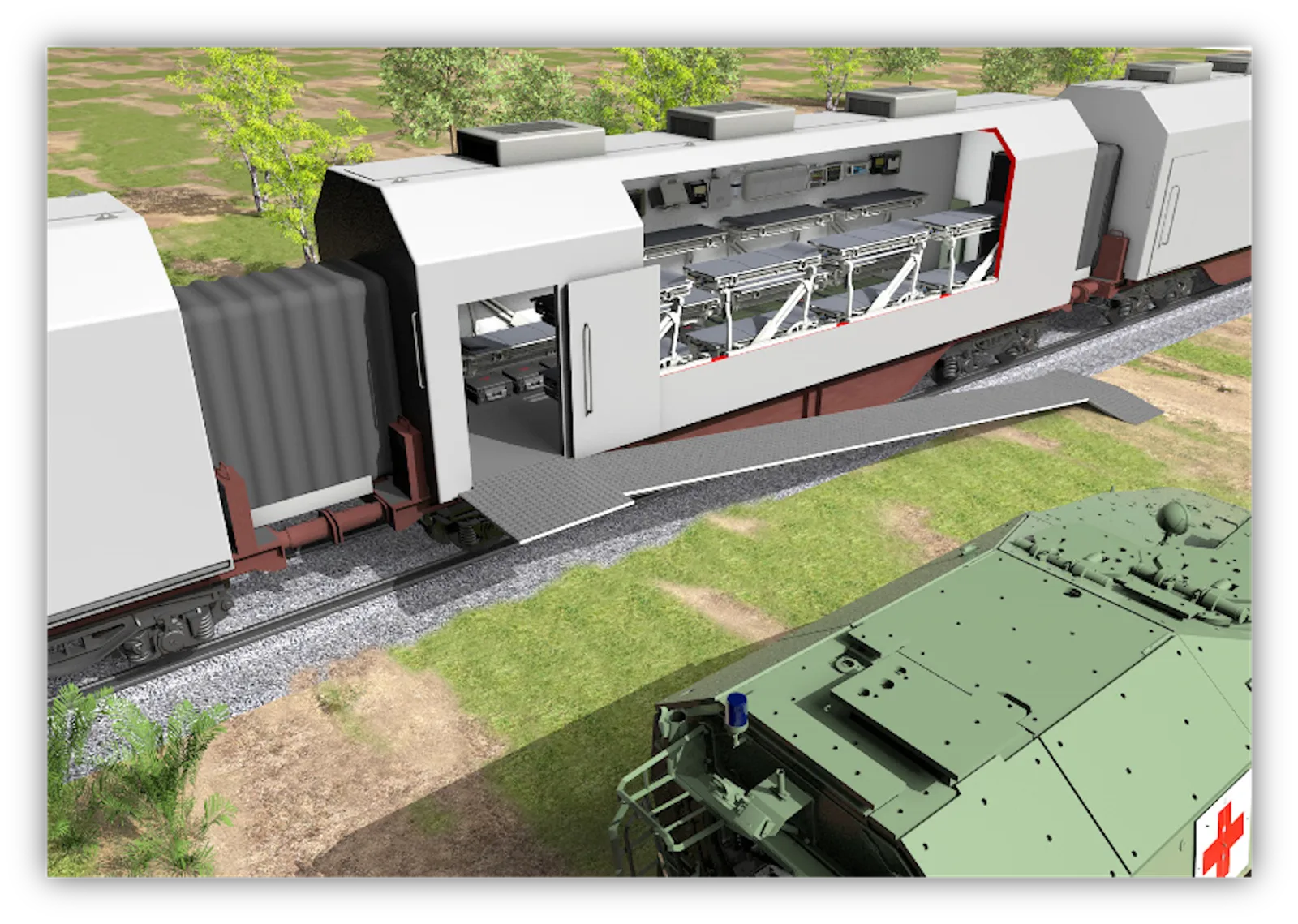
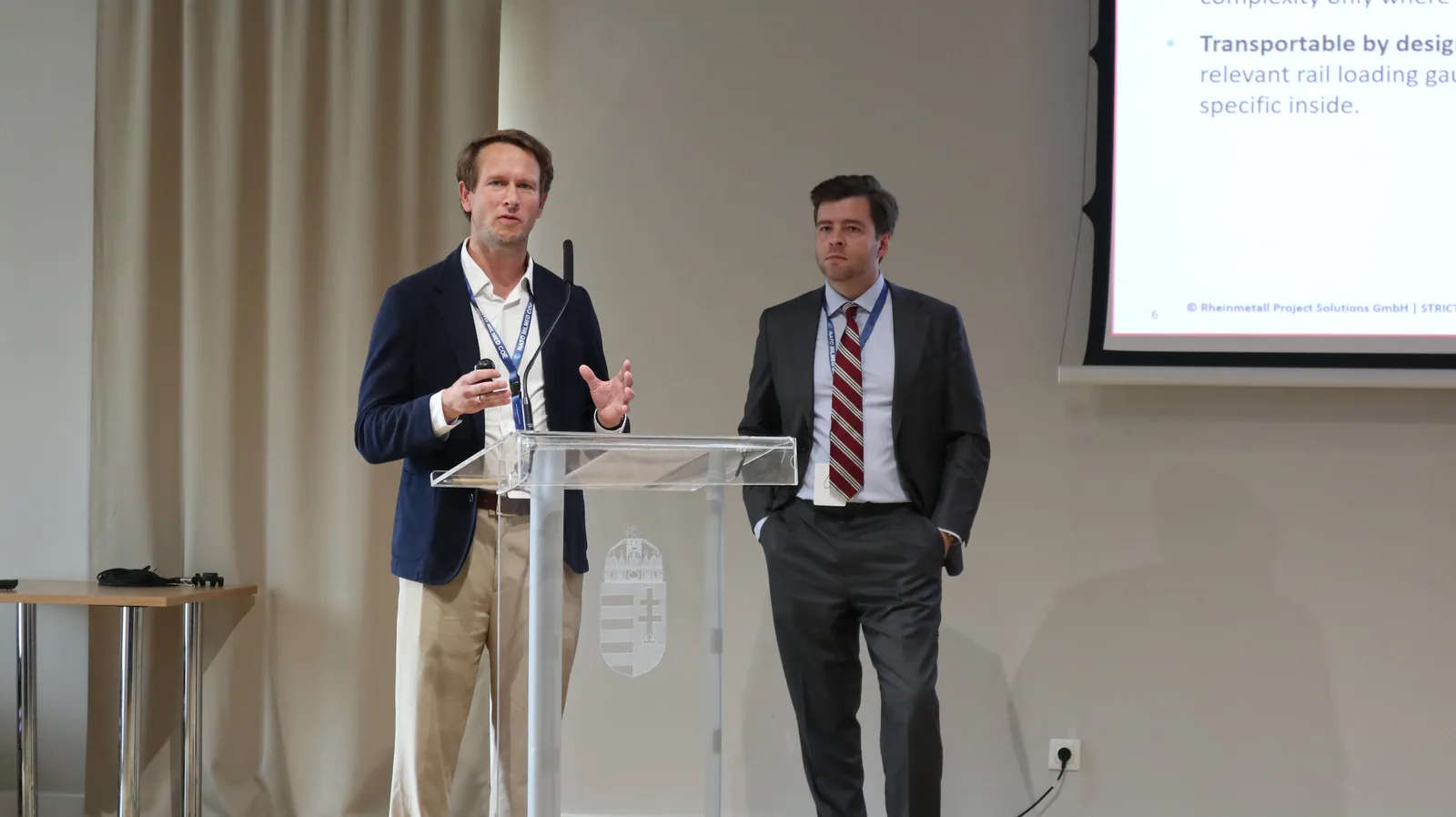
It should be about real innovation, about products that genuinely change things, explained Surgeon General Jens Diehm, Director of NATO MILMED COE, last week at the first NATO Medical Innovation Workshop in Budapest. One such development was presented to a limited audience for the first time by Rheinmetall Project Solutions and Alstom Transportation Germany: the MedEvacTrain, a purely modular hospital train designed to evacuate large numbers of casualties over medium and long distances.
The requirement: up to 1,000 wounded per day
The background to the project is a serious one. In a NATO Article 5 scenario, the Bundeswehr’s medical service expects up to 1,000 wounded, injured and sick personnel per day on the alliance’s eastern flank – a figure that has been stated publicly on several occasions. By this calculation, around 7,000 casualties would accumulate within a week, and roughly 30,000 within a month. Numbers that simply cannot be treated on site in the Baltic states.
The German medical service – and partner nations – are therefore planning the rapid evacuation of casualties into the rear area. Those affected must be stabilised and transported in large numbers to Germany, France, Italy and elsewhere, before being distributed to civilian hospitals.
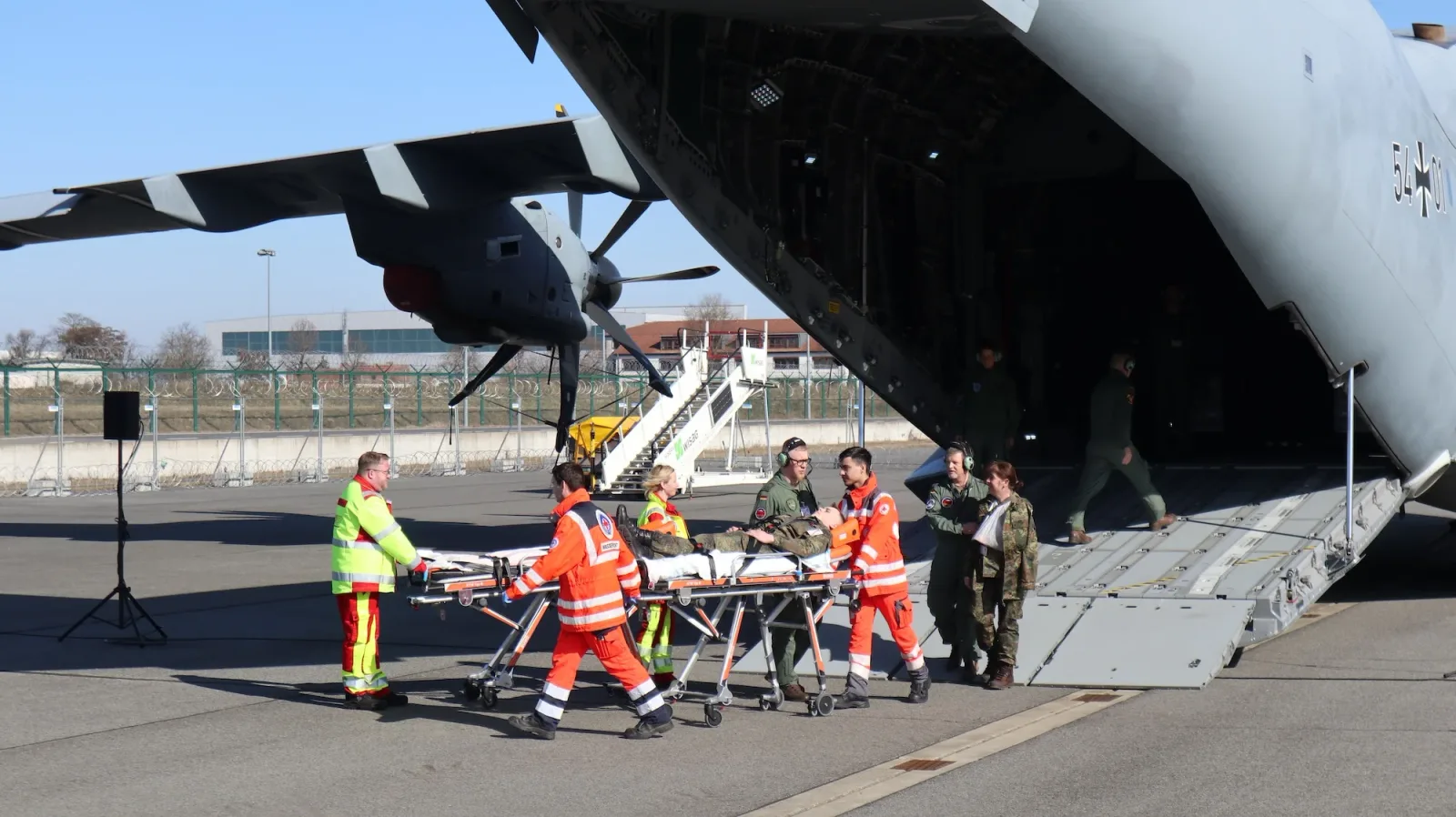
The Bundeswehr recently rehearsed exactly this evacuation chain during the Medic Quadriga 2026 exercise, together with civilian relief organisations (Military Medicine reported). But for the leg from Lithuania, the exercise in Berlin relied on an A400M transport aircraft – and it’s questionable whether such aircraft could fly out casualties day after day in an actual war, whether due to limited availability or a lack of air superiority.
The Bundeswehr says ships and buses are also meant to help carry the load, but for rail there is currently no system at all – even though rail is precisely the most efficient mode for mass transport.
What the Bundeswehr is planning
It doesn’t seem to be a lack of will. The Commander of the Central Medical Service, Lieutenant General (Medical Corps) Dr Ralf Hoffmann, has spoken repeatedly about reintroducing a rail-based casualty transport system – including, quite explicitly, in response to a question from Military Medicine during the aforementioned Quadriga exercise.
During the Cold War, the Bundeswehr operated so-called Krankentransportzüge (casualty transport trains, KrTrspZg), intended to move the wounded from hospitals near the front into the rear area and, beyond that, to offer mobile treatment capability. Even then, a dedicated, purpose-built hospital train was never procured in series production, for cost reasons.
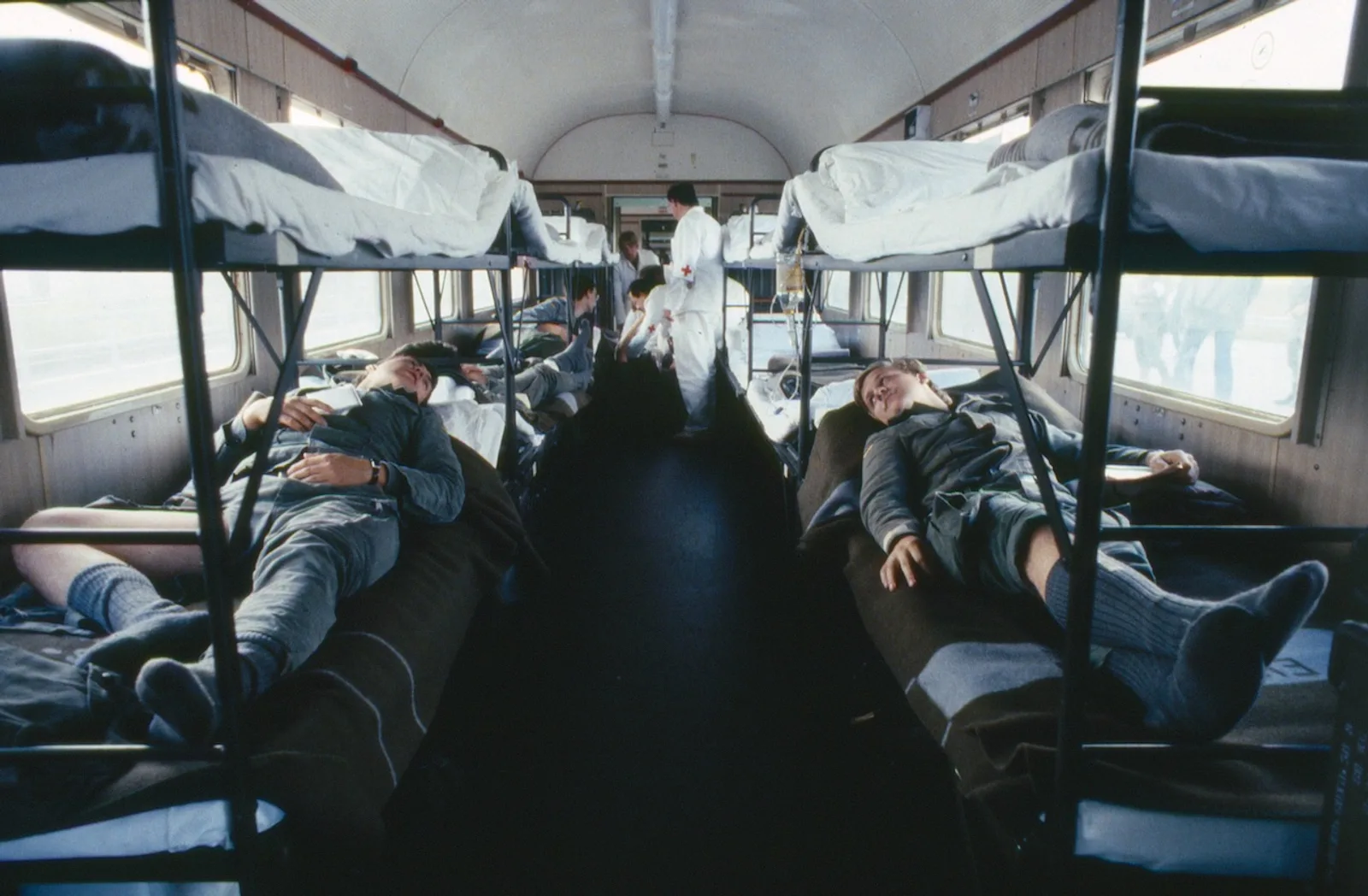
Instead, the Deutsche Bundesbahn kept around 180 convertible regional coaches of the Bnrz724 type on standby for mobilisation, to be fitted out with beds for up to 296 lying patients by dedicated Krankentransportkompanien (Schiene) – rail casualty transport companies. With the end of the Cold War and the disbandment of the reserve hospital organisation in 2007, this structure was abandoned as well.
Today, the Bundeswehr is once again pursuing a similar approach. In the event of national defence, three ICE 3neo trains are to be pulled from Deutsche Bahn’s regular passenger service and converted into hospital trains with a capacity of roughly 30 intensive-care places each. Yet this project, known since 2022, still doesn’t appear to have taken concrete shape – a final procurement decision has still not been made.
As Military Medicine has learned from within the medical service, work is currently underway on the actual tender and on defining the service’s own requirements. According to this, the tender is not expected to be tied as closely to Deutsche Bahn and the idea of the three ICE 3neo trains as previously assumed.
Rheinmetall and Alstom’s MedEvacTrain
That, in turn, could open the door for Rheinmetall and Alstom’s innovation. Its basic principle differs markedly from anything previously conceived in Europe.
Instead of converting a passenger train when the need arises, Rheinmetall and Alstom rely on standardised 40-foot flat wagons of the Sgmmns 40 Plus type, onto which interchangeable special-purpose containers are mounted – for patient transport, care, or communications. With the MedEvacTrain, the configuration of individual wagons or containers can be tailored precisely to the mission at hand, not least because the wagon shell itself always stays the same.
An integrated ramp system on the flat wagons also allows direct access to the wagon without requiring rail infrastructure such as a platform (see cover image). Small differences in height – such as railway embankments – can also be bridged with the ramps. That extends access to the casualty transport train along the entire route, not just at stations.
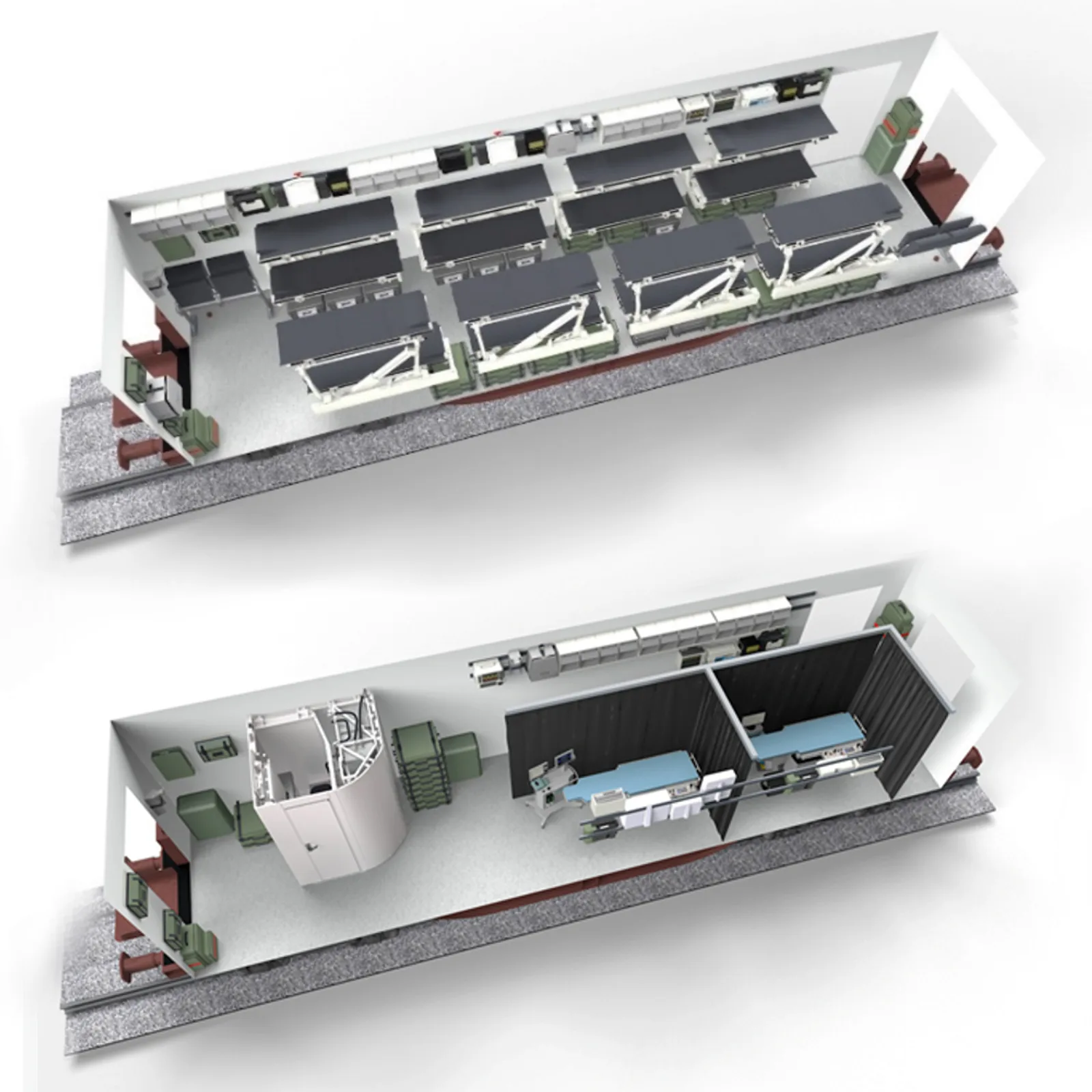
The concept also includes continuous gangway bridges connecting all the wagons, so that personnel and mobile emergency equipment can move between containers even while the train is moving. Because the containers meet international ISO standard dimensions, they can be deployed on trucks and ships in addition to rail.
For the demonstration of the concept in Budapest, Rheinmetall and Alstom worked out a Bundeswehr configuration. It offers capacity for 126 lying patients across eight wagons, plus eight intensive-care patients in four further wagons.
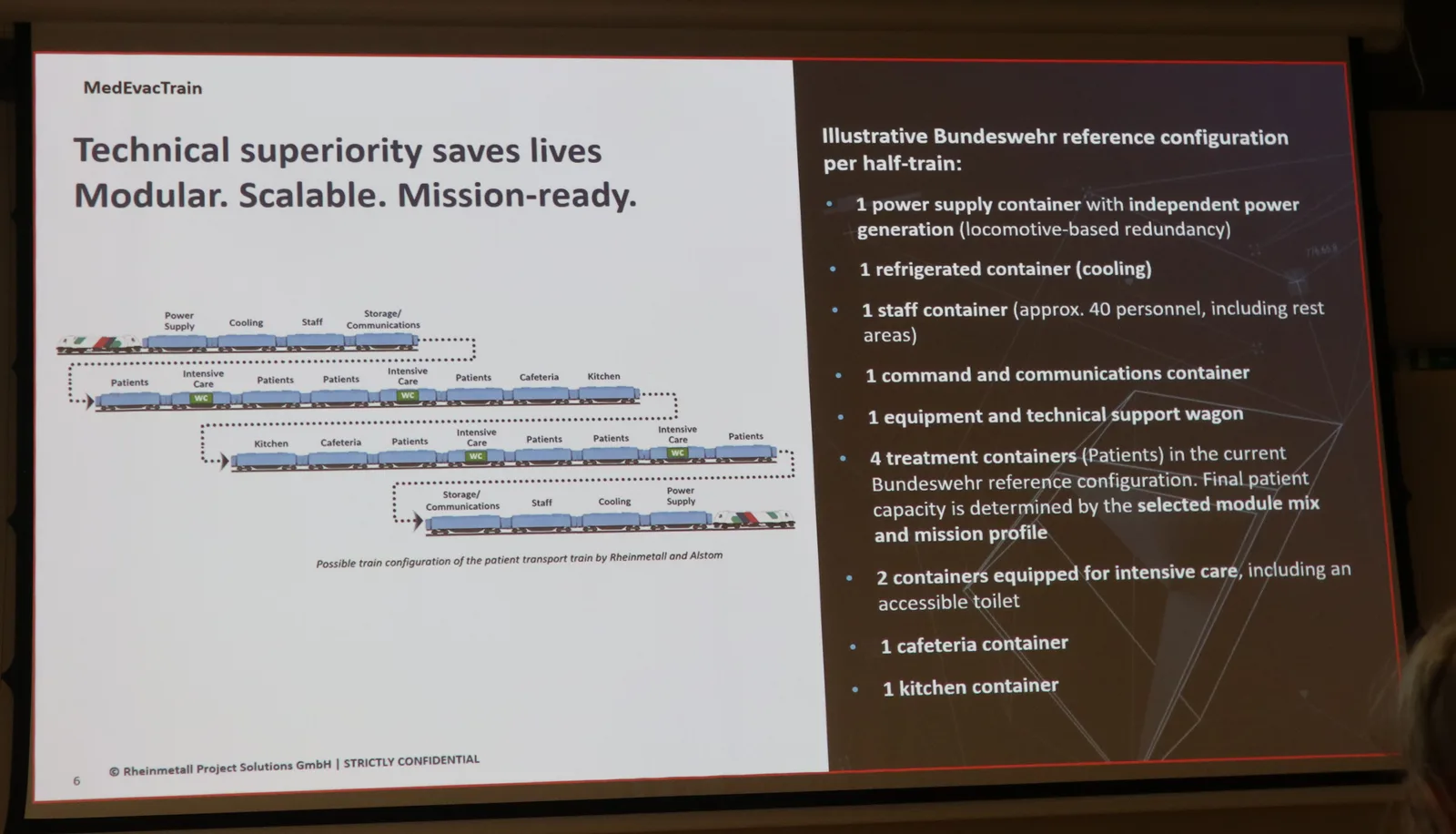
According to Jan-Niklas Becht, Head of Medical Solutions at Rheinmetall, individual wagons could also be fitted out differently. Three tiers of beds stacked on top of each other, for example, would also be possible, raising capacity to 24 beds per wagon instead of 16. Partial seating for less severely wounded soldiers is another option.
Central to operation: power supply
A key element is the continuous power supply: a power-supply wagon sits at each end of the train, feeding every container via an electrical connection that runs the length of the train – independent of the locomotive. That makes it possible to operate individual containers detached from the train as well, for instance as a mobile field hospital or on trucks and ships.
The concept envisages Alstom’s TRAXX Universal, with Last Mile diesel capability, as the locomotive. It could be deployed across the DE–PL–CZ–SK–HU–BG–RO corridor, operate under different electrification systems, and offers a range of roughly 250 kilometres without overhead power.
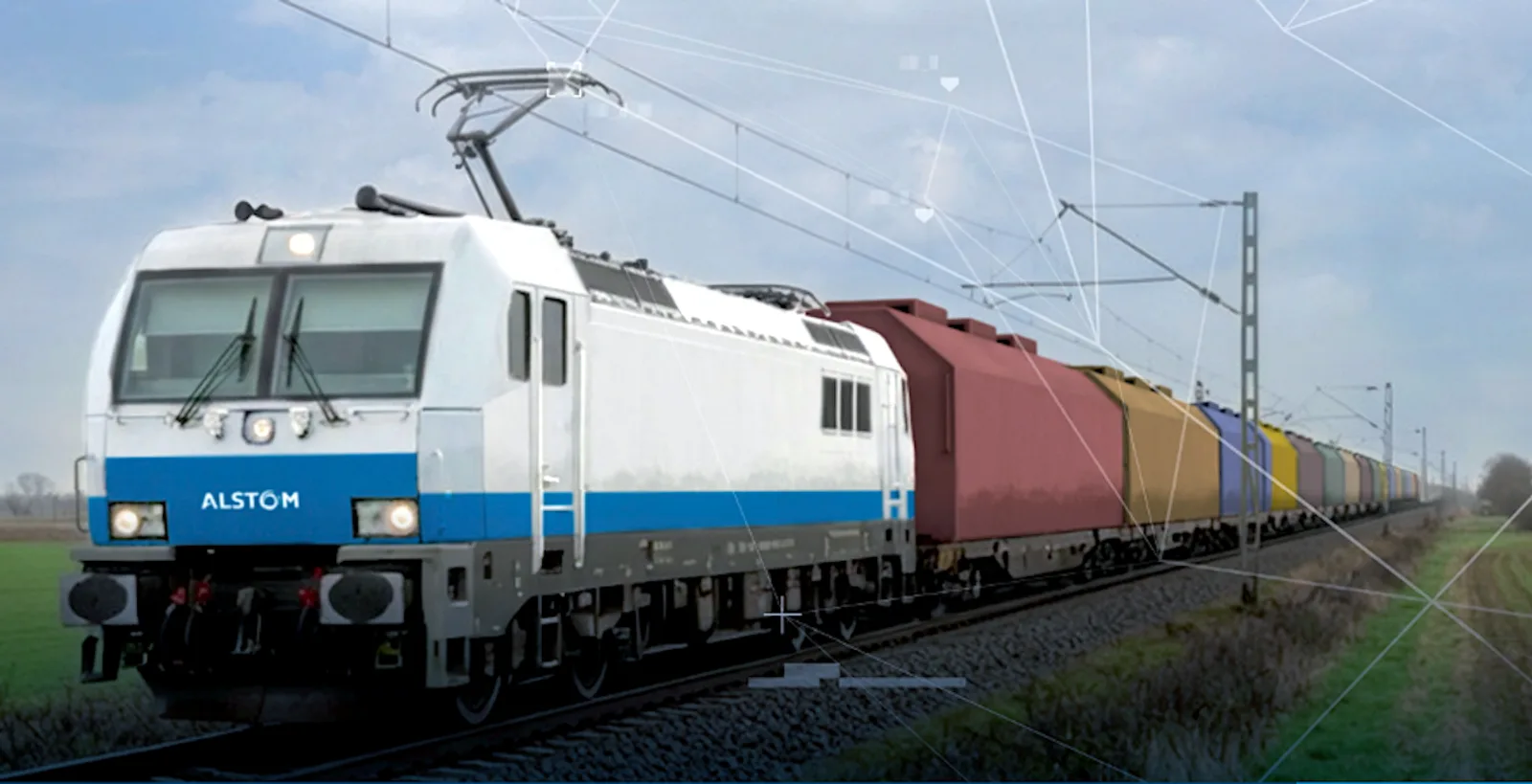
Diesel locomotives of this type are comparatively cheap and readily available, giving the concept flexibility in an emergency without relying on expensive specialist technology. Lorenz Heller, Business Development Director at Alstom, suggested military customers pursue a mix of direct locomotive procurement and lease options for the event of a crisis. That would allow the MedEvacTrain’s capability to be established quickly and then scaled up at short notice when needed.
Bundeswehr concept versus the Rheinmetall solution
The comparison between what has so far been discussed within the medical services and in the media, and what Rheinmetall and Alstom have now presented, shows clear differences. The ICE 3neo solution is based on a closed high-speed train whose wagon units are permanently coupled together. Conversion has to happen as a separate, wholesale undertaking; Rheinmetall’s concept, thanks to its modular container design, remains more flexible – including in the event that individual wagons are lost to enemy fire.
There are also limitations that only really become apparent during exercises. Passenger trains like the ICE, for instance, were never designed for loading and unloading patients on stretchers. In practice, that has led to some fairly bizarre scenes: during a joint US Army and Bundeswehr exercise in Poland, aisles and doors proved too narrow, so stretchers ended up being manoeuvred through open windows into the repurposed wagon.
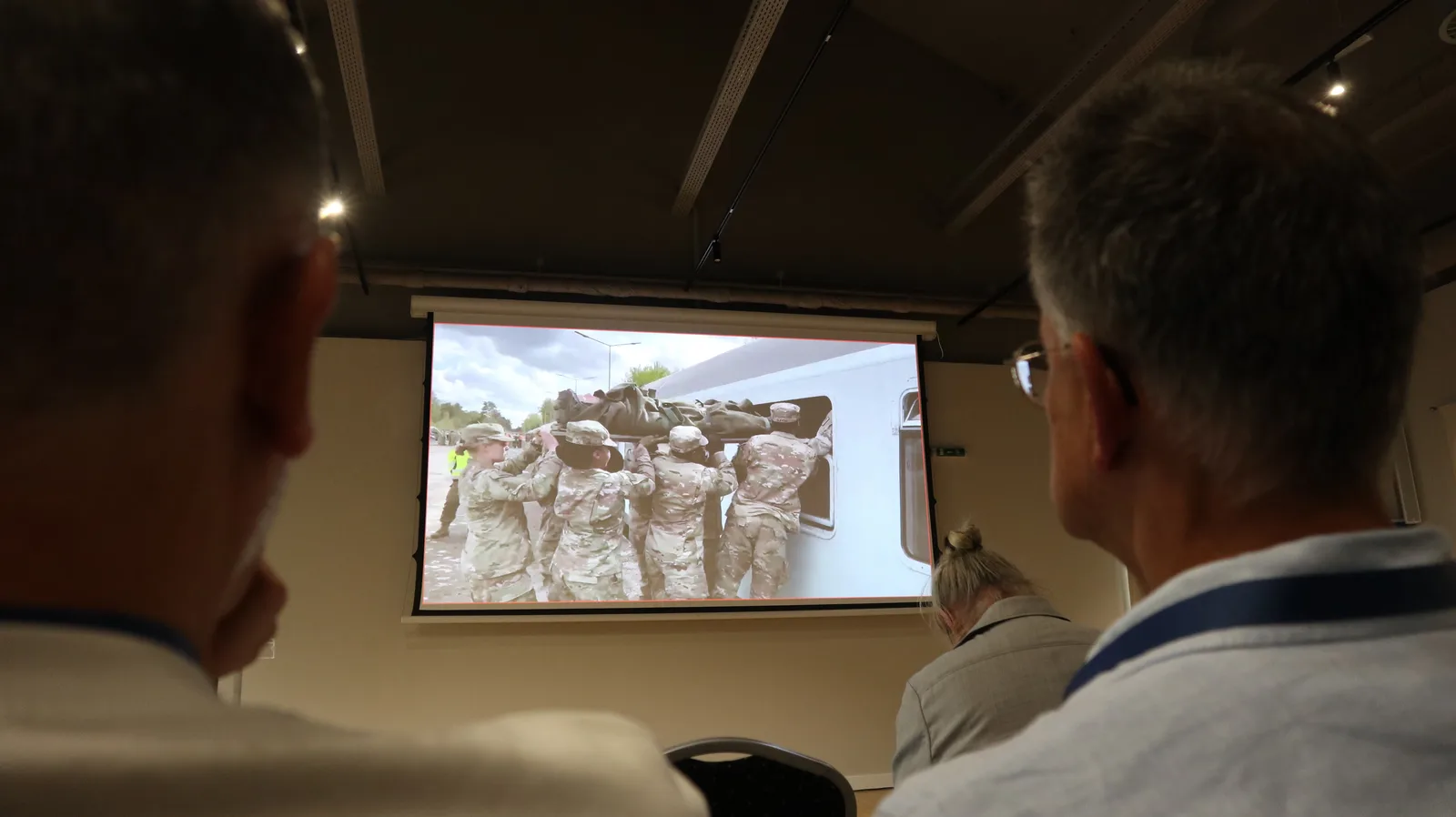
That’s not just cumbersome – it also costs valuable time. Time that 1,000 casualties a day don’t have if they are being moved from a possible eastern front in the Baltic states, via Poland, to Germany.
Conclusion and outlook
According to information obtained by Military Medicine, the MedEvacTrain is already attracting considerable interest among senior figures in the Bundeswehr’s medical service.
As a standalone procurement, the system could end up more expensive to acquire than the comparatively cheap ICE 3neo solution. On the other hand, relying on proven technology – such as the 40-foot flat wagons and commercially available locomotives that would only need to be leased in an actual emergency – could help keep costs down. Medical equipment and the beds to be installed would need to be procured for either solution.
The Rheinmetall/Alstom concept also has flexible use going for it. Once procured, the containers could be used without a train or tracks at all – for example, in the case of mass-casualty incidents within Germany itself. Trucks alone would be enough to move them.
The MedEvacTrain’s next milestones are already set: on 18 and 19 November 2026, the two companies plan to present the concept in more detail using a model near Bonn. The unveiling of a first prototype is planned by Rheinmetall and Alstom for the DSEI Hannover in March 2027.
Mit WhatsApp immer auf dem neuesten Stand bleiben!