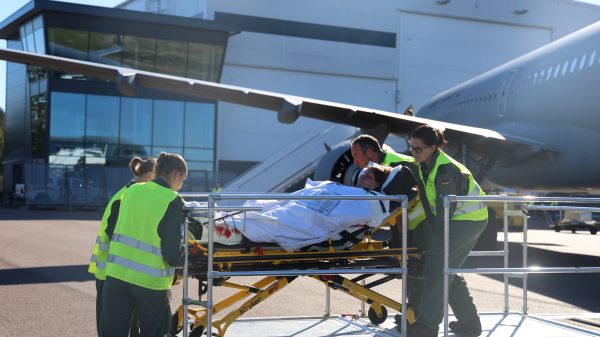
For a long time, it was considered an inviolable rule of modern military medicine: the golden hour. But on the battlefields of Ukraine, it has fallen. Where helicopters used to fly out the wounded within minutes, today every rescue vehicle is a target. Russia’s war of aggression has shown that rapid evacuation can no longer be taken for granted. Instead, soldiers must learn to keep the wounded alive for hours or days – without protection, alone in the trenches.
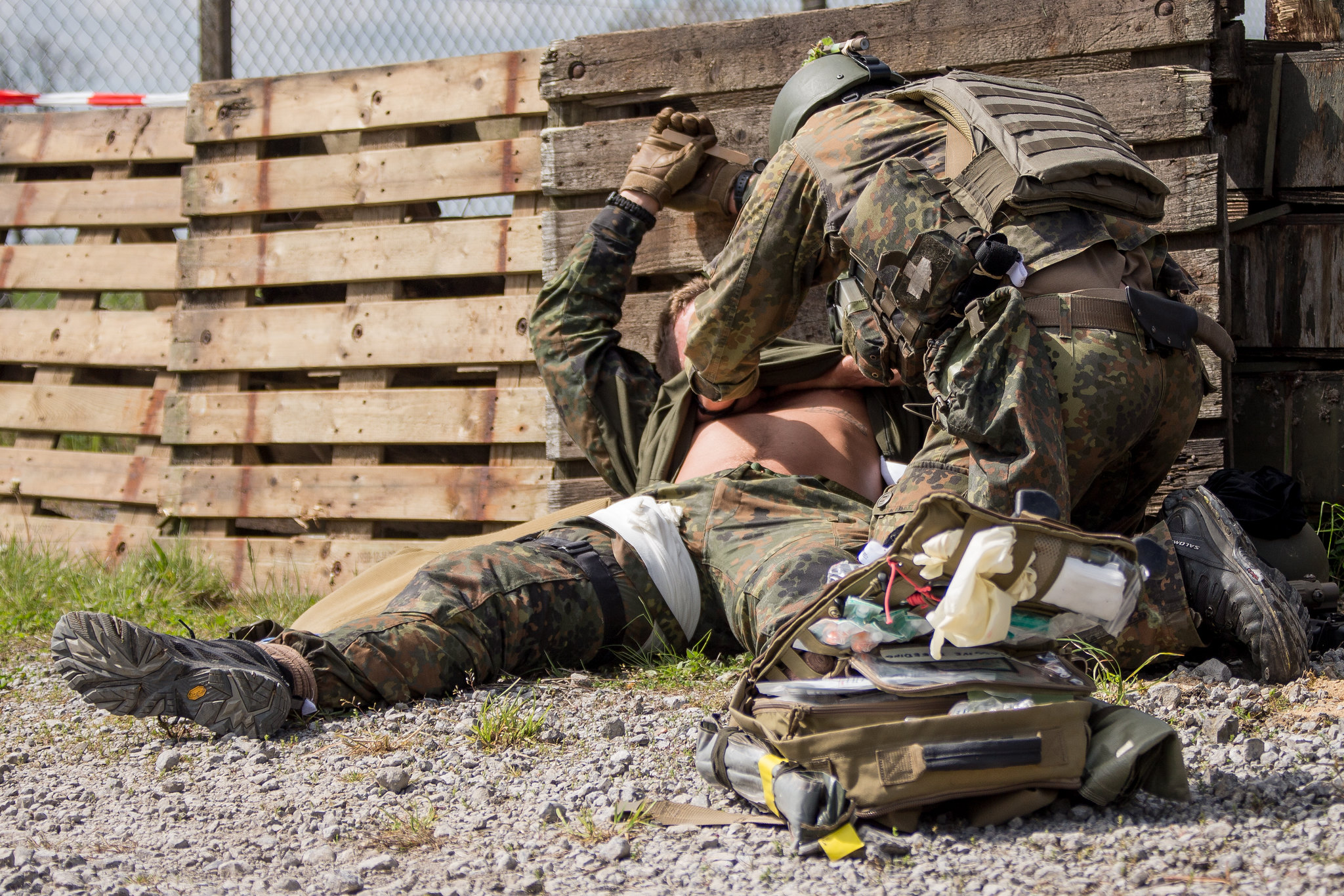
The idea that a wounded soldier must receive medical attention within an hour of being injured in order to have a realistic chance of survival has shaped the doctrine of Western armies for decades. But on the battlefields of Ukraine, this principle has died. A British instructor who trains Ukrainian soldiers described the harsh reality to Business Insider magazine: ‘There is no longer a golden hour.’
If you are wounded on the front line in Ukraine, ‘you might get out at night, but if we send an ambulance, the Russians will shoot at it,’ Major Maguire told the magazine. German paramedic Ruben Mawick also described this assessment to Military Medicine. According to him, evacuations of the wounded often only took place as part of the planned rotation.
The risk of rapid evacuation
The conditions of war – as Russia is waging it against Ukraine – leave little room for rapid rescue or evacuation. Whereas in Afghanistan helicopters were able to quickly fly out the wounded, the Russians consider red crosses on vehicles to be targets.
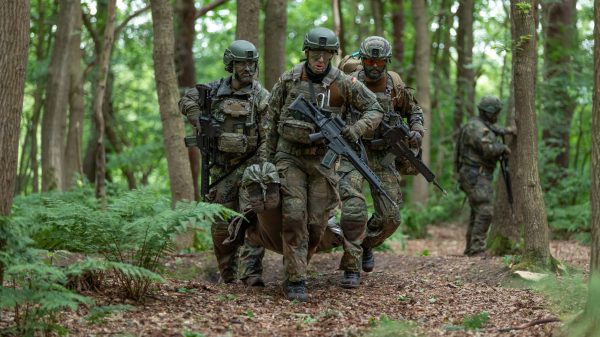
Ukraine has no air sovereignty. Due to the omnipresent threat of FPV drones, there are no safe zones. When ambulances are targeted, the wounded are left lying in the trenches for hours or days. There, they receive increasing care from their comrades, but the only thing available to them is a tourniquet and a few bandages – and certainly no golden hour.
The golden hour was never real
This reality brings with it a profound realisation: the golden hour was never a medical law of nature, but a logistical promise made by Western armies. The wars and conflicts in which industrialised nations have been involved in recent years have always been fought against technologically inferior opponents. Evacuating the wounded within 60 minutes was therefore a product of technical superiority, stable supply routes and secure communications.
In Ukraine, however, technologically equal opponents are fighting each other for the first time in decades. This ‘stalemate’ – and especially Russia’s disregard for the Geneva Convention – has led to the death of the golden hour. Anyone who is wounded in Ukraine can only hope to hold out long enough until evacuation is even possible.
Medical services must adapt
This changes not only the way wounded soldiers are cared for, but the entire mindset of military medical services. Western armies are already beginning to rethink their approach: Instead of focusing on rapid evacuation, new training concepts concentrate on what is known as ‘prolonged casualty care’ – the need to stabilise the wounded for many hours or even days if transport to a medical facility is not possible.
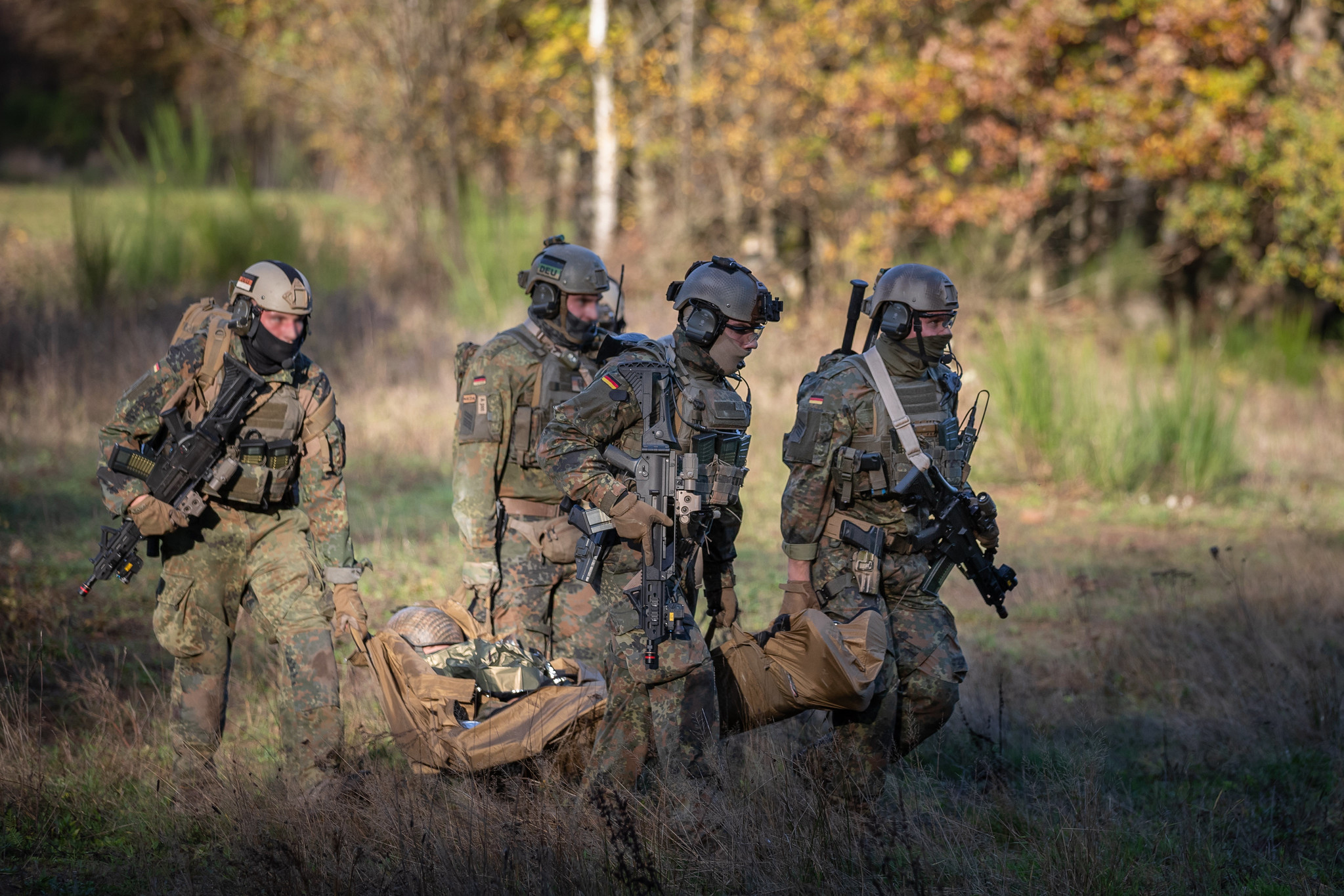
This requires more medical knowledge on the part of the comrades on site, who have to perform more measures than the classic emergency measures. In addition, there are nursing measures, for example, which also require different, more robust equipment – and above all, mental preparation for the fact that help will not arrive immediately.
The comrade as a nurse
For the German Armed Forces and other European armed forces, the death of the golden hour means a return to the reality of conventional warfare. Medical personnel must be prepared to keep the wounded in the field for longer periods of time and still perform life-saving measures. This also means a tactical rethink. The space between the front line and the rear area is becoming dangerous again, with the evacuation route itself becoming part of the battle.
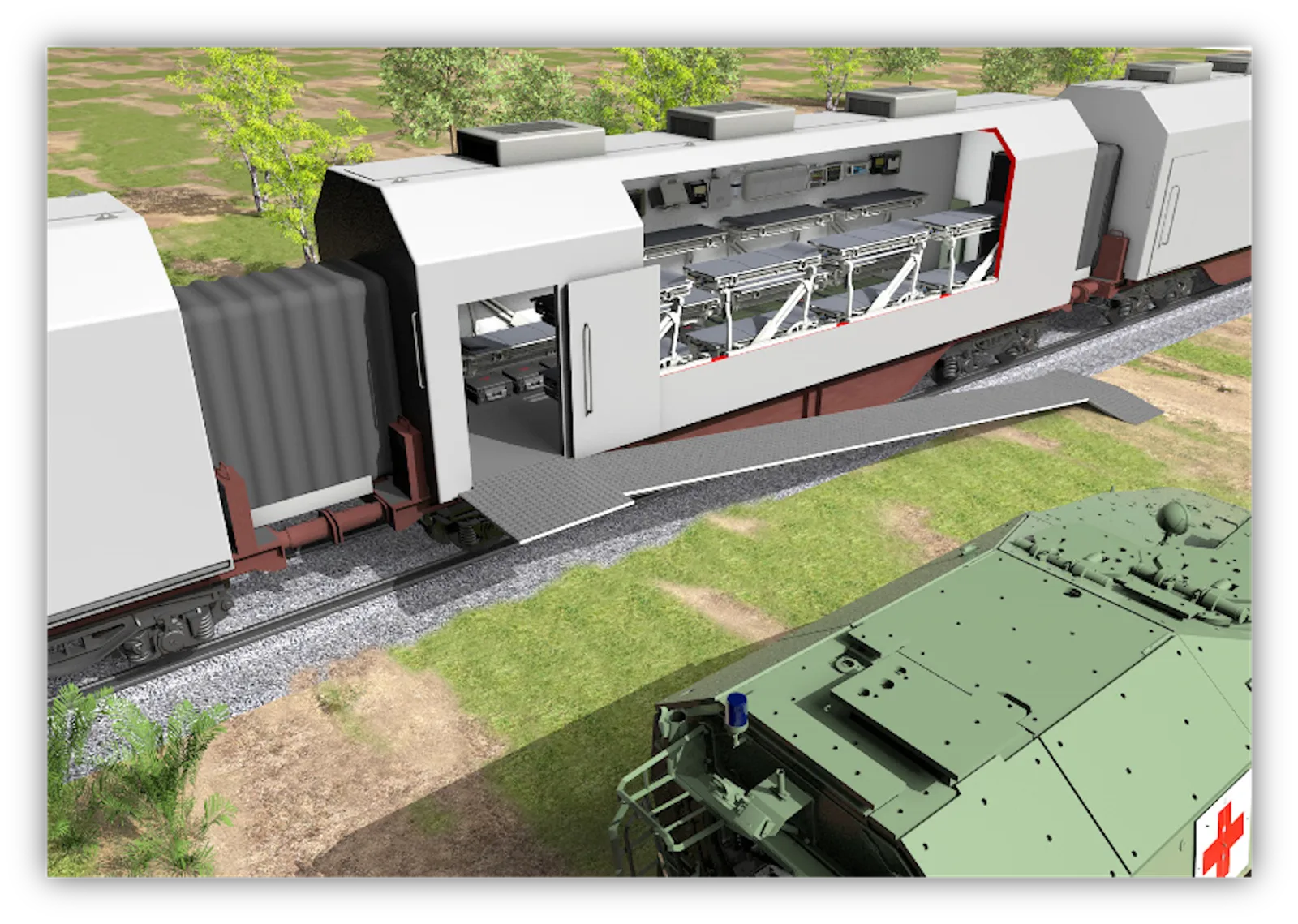
This also means that medical vehicles must be better protected – when they are used – and that casualty collection points and assembly points must be better camouflaged and organised in a decentralised manner. Soldiers will then not only be first responders, they will also have to be carers.
The death of the golden hour therefore marks less a step backwards than the end of an illusion. What remains is the will to survive – and the need to keep the wounded alive in the darkness, under fire, somewhere in the trenches, until rescue is possible again.