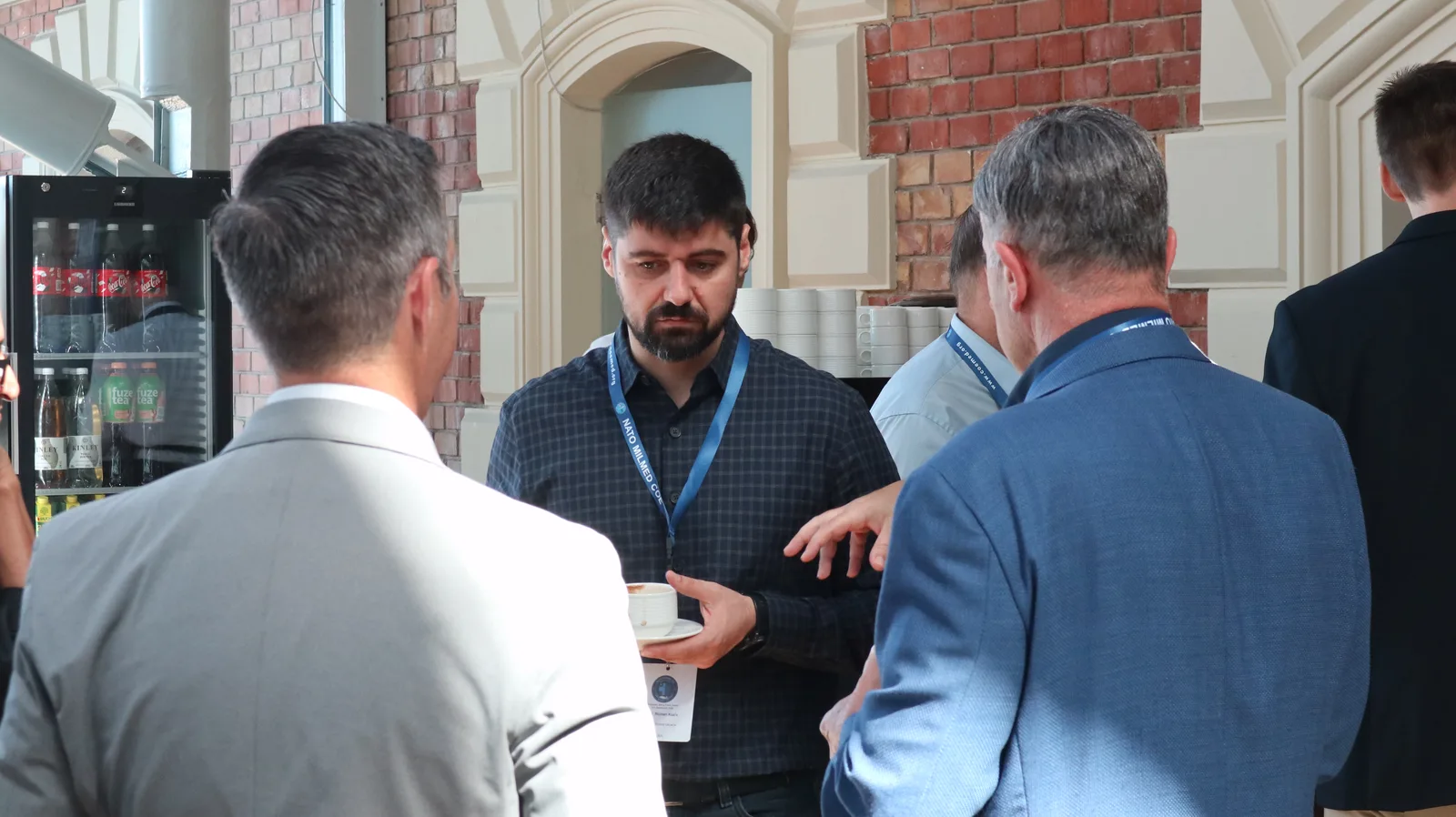
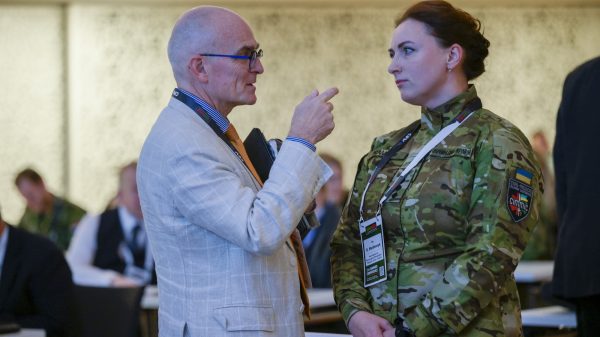
On World Mental Health Day, the spotlight turns once again to the psychological challenges faced by military personnel and civilians in conflict and crisis. At this year’s DiMiMED conference, a full session led by Col. (ret.) Prof. Dr. Eric Vermetten from the Netherlands was devoted to mental health in military and disaster medicine — offering insights from Ukraine, the Netherlands, and beyond.
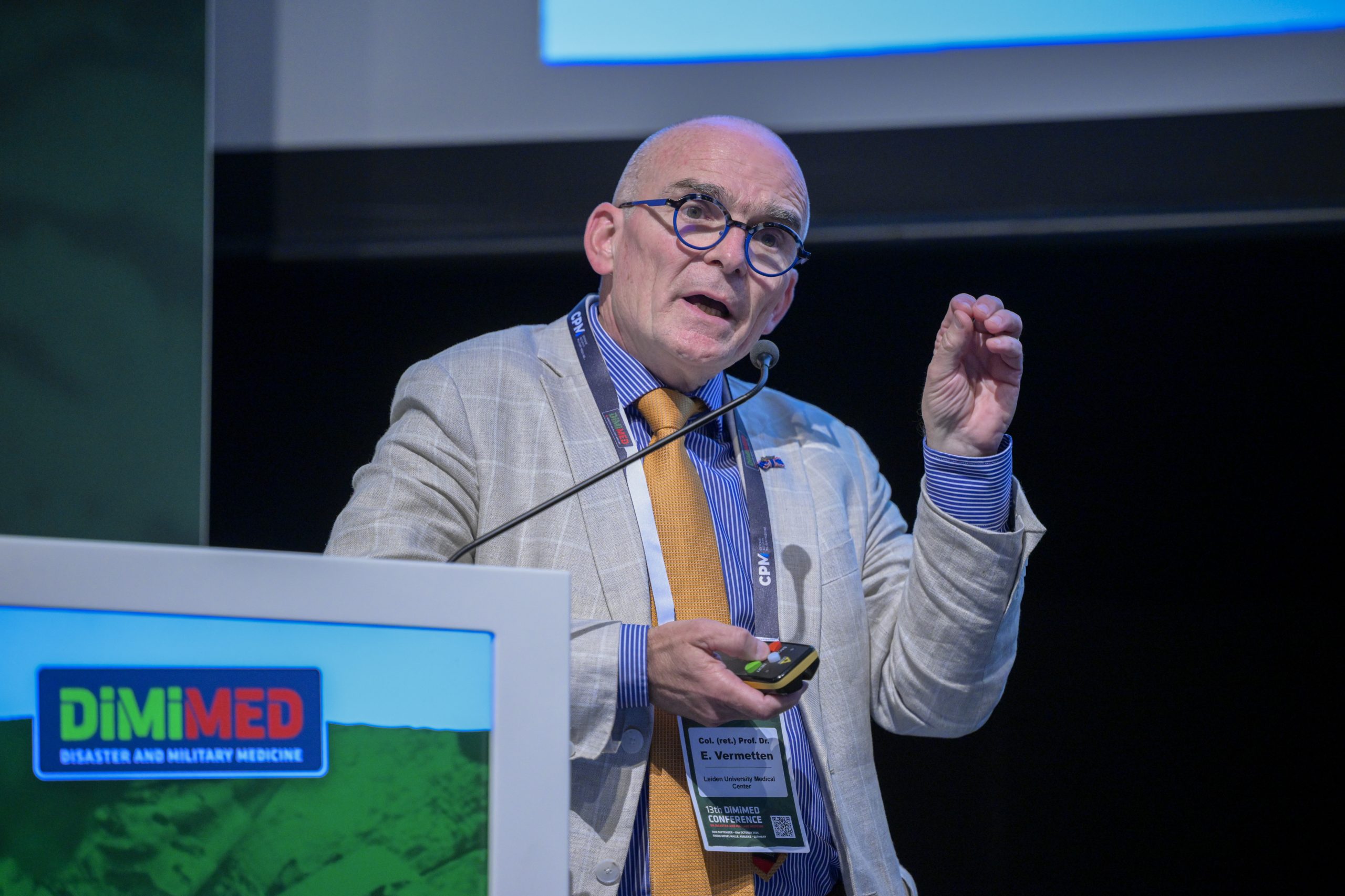
Today marks World Mental Health Day, a reminder of the global importance of psychological resilience – not least in the armed forces and emergency services. The recent DiMiMED – International Conference on Disaster and Military Medicine placed a strong emphasis on this issue, dedicating an entire session to this topic under the chairmanship of Col. (ret.) Prof. Dr. Eric Vermetten, MD, PhD (NLD), from Leiden University Medical Center.
Mental Health at DiMiMED
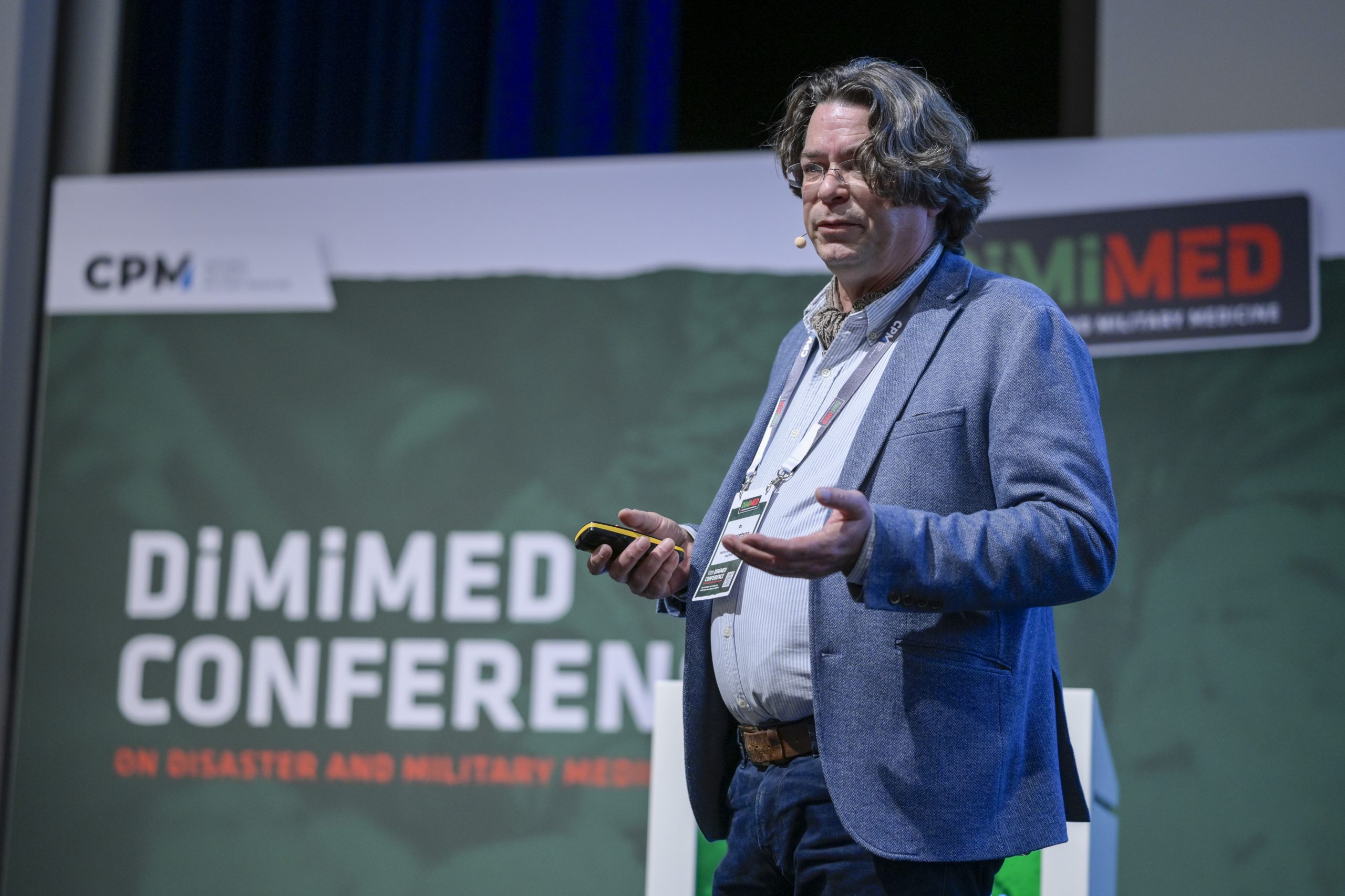
Among the notable presentations was Dr. Reza Gerretsen from the Netherlands Forensic Institute, who shared lessons learned from the MH17 disaster and other natural catastrophes. His talk, “Lessons from MH17 and Natural Disasters: Forensic Awareness, Victim Identification, and Mental Health Implications,” highlighted how forensic professionals and first responders cope with trauma and the lasting psychological effects of such missions.
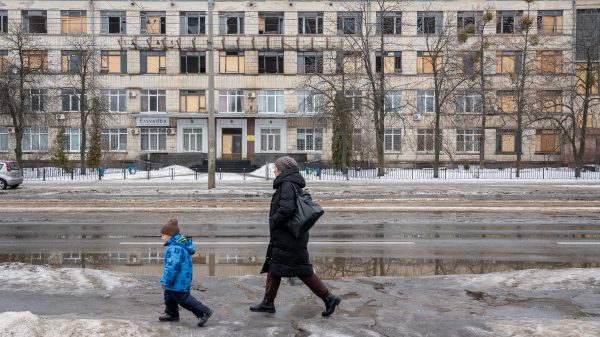
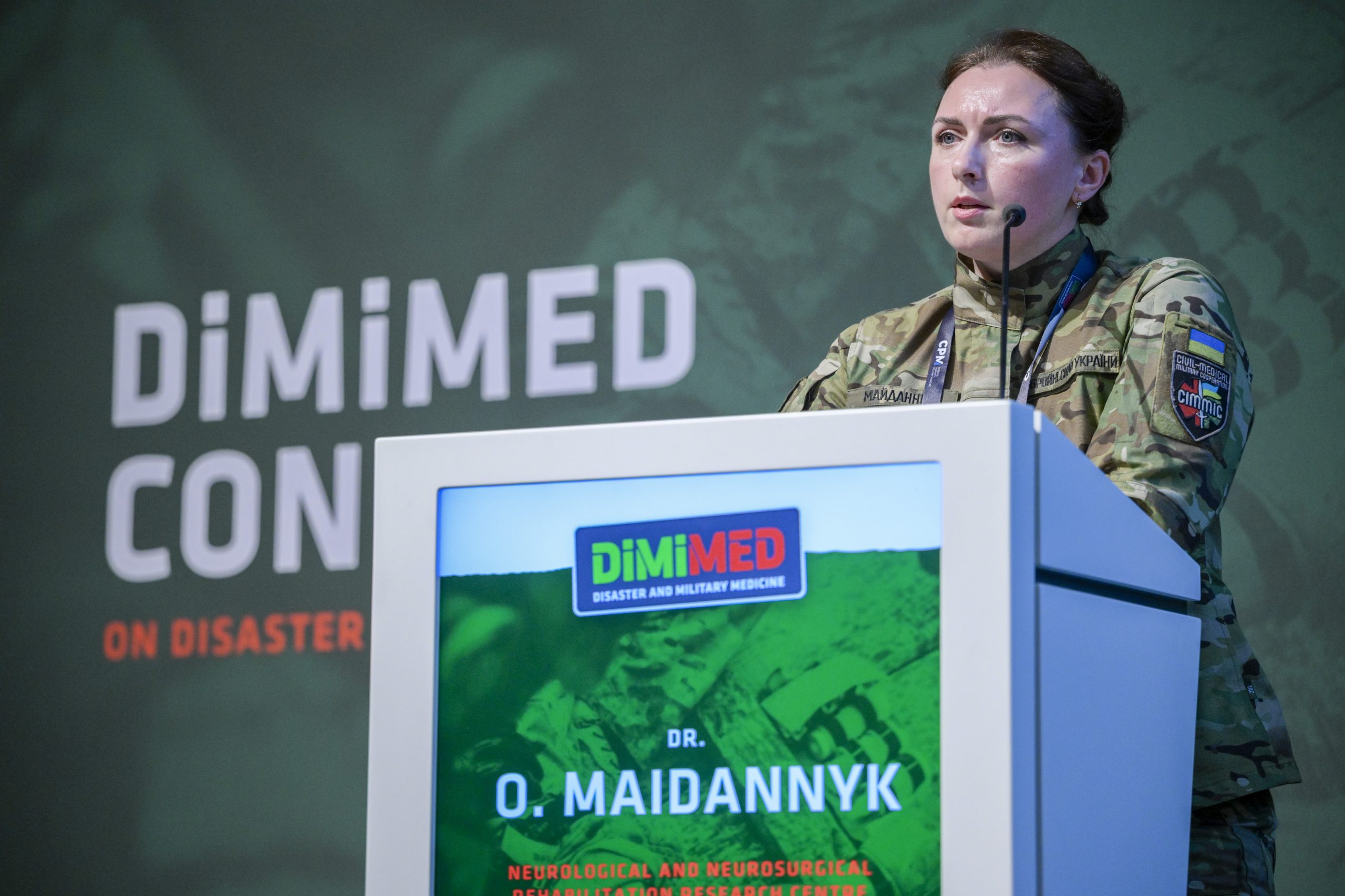
Dr. Olena Maidannyk from Kyiv’s Neurological and Neurosurgical Rehabilitation Research Centre presented groundbreaking research titled “Combat Dementia in Military Personnel: A Novel Neurocognitive Profile of Relentless War.”
Her presentation defines “combat dementia” as a distinct neurocognitive disorder in Ukrainian soldiers (2014–2025) without severe TBI, marked by progressive cognitive decline and fronto-limbic dysfunction, identified via ERP/qEEG. Based on 297 service members, it differs from PTSD/TBI dementia, with risk factors like prolonged deployment and lower education (AUC 0.66). It calls for updated ICD/DSM classifications, tailored rehabilitation, and future multicenter validation with AI screening.
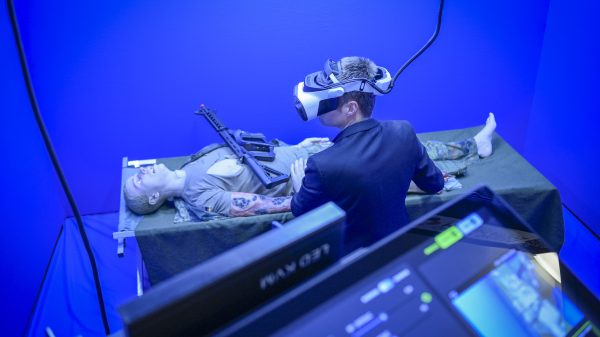
In his own presentation, Prof. Vermetten explored innovations in trauma care, such as the use of 3MDR therapy and AI-assisted decision support to enhance diagnosis and treatment. Yana Amelchits, founder of Military Mediation in Ukraine, added a practical perspective with her talk “Military Medication and Mental Health – New Opportunity for Ukraine,” emphasizing the need for mental health reform in military systems.
Why Mental Health Matters
Mental health is a critical aspect of overall well-being, yet it is often overlooked, particularly in high-stress professions like the military and emergency services. Exposure to combat, disasters, or traumatic events can lead to long-term psychological effects such as PTSD, depression, and cognitive decline. Addressing mental health proactively not only improves individual quality of life but also strengthens operational readiness, resilience, and team cohesion. The recent DiMiMED session highlighted that understanding, prevention, and innovative treatment strategies are essential — both for military personnel and the broader communities affected by crises.
Observing World Mental Health Day
World Mental Health Day, observed every year on October 10, aims to raise awareness of its issues around the world and mobilize efforts in support of mental well-being. It serves as a reminder that this topic is as vital as physical health, deserving attention, investment, and destigmatization. Events like DiMiMED’s dedicated session exemplify how the global medical and defense communities are working together to bring mental health to the forefront — ensuring that those who face extreme conditions are not left to cope alone.